Your cart is currently empty!
Category: Blog
Your blog category
-
Custom Football Medals and Trophies
Custom Football Medals and Trophies: The Ultimate Guide to Bespoke Football Awards
Football is the world’s most popular sport, played by millions of people at grassroots, school, amateur, and professional levels. From youth leagues to national tournaments, football competitions rely on medals and trophies to celebrate achievement, dedication, and teamwork.
Custom football medals and trophies have become increasingly popular because they allow clubs, leagues, and tournament organisers to create awards that are completely unique to their event. Rather than generic prizes, bespoke awards showcase club identity, recognise player effort, and provide lasting memories for every participant.
In this guide we will explore everything you need to know about custom football medals and trophies, including design ideas, materials, popular trends, and why EliteSportsMedals has become one of the leading suppliers of bespoke football awards.
Why Custom Football Medals and Trophies Matter
Football medals and trophies represent more than just winning. They symbolise:
-
Hard work and dedication
-
Team spirit and sportsmanship
-
Season-long commitment
-
Tournament victories
-
Personal milestones
For young players especially, receiving a medal or trophy can be a defining moment that encourages them to continue playing and developing their skills.
A custom-designed football award also enhances the prestige of the competition itself. When medals and trophies are professionally designed, they elevate the reputation of the event and create excitement among players and supporters.
What Are Custom Football Medals?
Custom football medals are bespoke awards designed specifically for football competitions. These medals can include:
-
Team logos
-
League branding
-
Tournament names
-
Event dates
-
Football-themed artwork
They are commonly awarded at:
-
Youth football tournaments
-
Grassroots leagues
-
School competitions
-
Five-a-side tournaments
-
County championships
-
Professional academy events
Unlike generic medals, custom football medals reflect the identity and pride of the event.
Popular Types of Custom Football Medals
There are several styles of football medals available depending on the level of competition and budget.
Die-Struck Football Medals
Die-struck medals are produced using metal moulds that create raised designs.
Features include:
-
High detail artwork
-
Premium metal finish
-
Raised edges and textures
-
Long-lasting durability
These medals are perfect for league finals and high-level competitions.
Enamel Football Medals
Enamel medals allow vibrant colour designs.
Benefits include:
-
Bright club colours
-
Eye-catching artwork
-
Perfect logo reproduction
-
Professional appearance
Many clubs use enamel medals to highlight their team branding and colours.
Epoxy Football Medals
Epoxy medals feature printed artwork sealed under a glossy dome.
Advantages include:
-
Smooth polished surface
-
Photographic detail
-
Cost-effective for large tournaments
-
Lightweight design
They are often used for large youth football events.
Wooden Football Medals
Wooden medals are becoming increasingly popular as eco-friendly football awards.
These medals feature:
-
Natural wood grain finish
-
Laser engraved designs
-
Sustainable materials
-
Unique rustic appearance
They are especially popular for community football events and charity tournaments.
Custom Football Trophy Options

While medals are often given to all participants, trophies are typically awarded for special achievements or top performances.
Popular football trophy types include:
Championship Cups
Large cups are traditionally awarded to the winning team or league champions.
Player of the Match Trophies
Individual awards recognising standout performance during a match.
Golden Boot Trophies
Awarded to the top goal scorer of a tournament or season.
Best Goalkeeper Awards
Recognising exceptional goalkeeping performances.
Participation Trophies
Many youth leagues award trophies to all players to celebrate participation.
Designing Custom Football Medals
Creating a unique medal involves several design choices.
Football Imagery
Common design elements include:
-
Footballs
-
Players kicking or heading the ball
-
Goal nets
-
Stadium imagery
-
Boots and trophies
These instantly communicate the sport.
Club Logos
Including the club logo ensures the medal reflects the team’s identity.
Logos are often placed:
-
In the centre of the medal
-
Raised in metal
-
Highlighted with enamel colours
Custom Medal Shapes
Traditional medals are round, but modern designs often feature creative shapes such as:
-
Football-shaped medals
-
Shield designs
-
Crest shapes
-
Stadium outlines
Unique shapes make medals more memorable.
Ribbon Design
Medal ribbons can also be customised.
Popular options include:
-
Club colours
-
Printed tournament name
-
Sponsor branding
-
Event date
Sublimated ribbons allow full colour printing across the entire ribbon.

Football Medal Finishes
The finish of the medal adds prestige and value.
Common finishes include:
Gold
Traditionally awarded for first place or tournament winners.
Silver
Used for second place awards.
Bronze
Recognises third place achievements.
Antique Finishes
Antique gold, silver, or bronze provide a classic and prestigious appearance.
Trends in Custom Football Awards
Football awards continue to evolve with new design trends.
Large Medals
Events increasingly choose 70mm–100mm medals for a premium look.
Spinner Medals
These medals feature rotating centrepieces, often a football design.
Multi-Layer Medals
Layered metal creates depth and visual impact.
Eco-Friendly Awards
More tournaments now choose sustainable materials like wood or recycled metal.
3D Trophy Designs
Modern trophies often incorporate acrylic, glass, and layered materials.

Why Choose EliteSportsMedals for Custom Football Awards
When it comes to creating high-quality football medals and trophies, EliteSportsMedals has built a reputation as one of the best bespoke medal suppliers in the industry.
Expert Design Service
EliteSportsMedals provides a free professional design service, helping clubs and organisers create unique medal concepts.
High Quality Manufacturing
Their medals are manufactured using premium materials including:
-
Die-cast metal
-
Raised metal detailing
-
Vibrant enamel colours
-
Durable plating finishes
Competitive Pricing
Despite their high-quality products, EliteSportsMedals offers affordable pricing for clubs and grassroots football organisations.
Fast Production
Quick manufacturing and delivery ensures medals arrive before your tournament or awards ceremony.
Fully Custom Designs
Every medal and trophy can be completely customised, including:
-
Logo integration
-
Custom shapes
-
Unique artwork
-
Personalised ribbons
Football Awards for Different Levels of the Game
Different football competitions require slightly different award styles.
Youth Football Leagues
Bright colourful medals encourage younger players and celebrate participation.
Amateur Football Clubs
Clubs often choose medals featuring their club crest and league name.
School Football Tournaments
School competitions often include school branding and event year.
Professional and Academy Events
Higher-level competitions usually select premium die-struck medals and large trophies.

The Production Process for Custom Football Medals
Creating bespoke medals involves several steps:
-
Artwork and design creation
-
Metal mould production
-
Die casting or stamping
-
Polishing and plating
-
Enamel colour filling
-
Ribbon attachment and quality checks
The final product is a durable, high-quality medal designed to last for years.
Tips for Designing the Perfect Football Medal
To create an outstanding football medal, organisers should:
✔ Use bold football imagery
✔ Include club or tournament branding
✔ Choose vibrant enamel colours
✔ Select a premium metal finish
✔ Consider unique shapes or cut-outsThese design choices create medals that players proudly keep and display.
Why Football Medals Create Lasting Memories

Football medals often become treasured keepsakes. For many young players, their first medal represents their introduction to competitive sport and teamwork.
For tournament organisers, investing in high-quality bespoke medals and trophies enhances the prestige of the competition and makes the event more memorable for everyone involved.
Well-designed awards also encourage players to return year after year, helping events grow and develop.
Conclusion
Custom football medals and trophies are essential for recognising achievement in football competitions at every level. From grassroots leagues to major tournaments, bespoke awards celebrate dedication, teamwork, and sporting excellence.
With modern design options including die-struck medals, enamel finishes, custom shapes, and eco-friendly materials, organisers have endless opportunities to create awards that truly stand out.
By working with a specialist supplier like EliteSportsMedals, clubs and event organisers can ensure their football awards are professionally designed, high quality, and unforgettable.
Custom football medals and trophies are more than just prizes — they are symbols of pride, achievement, and the passion that makes football the world’s favourite sport.
-
-
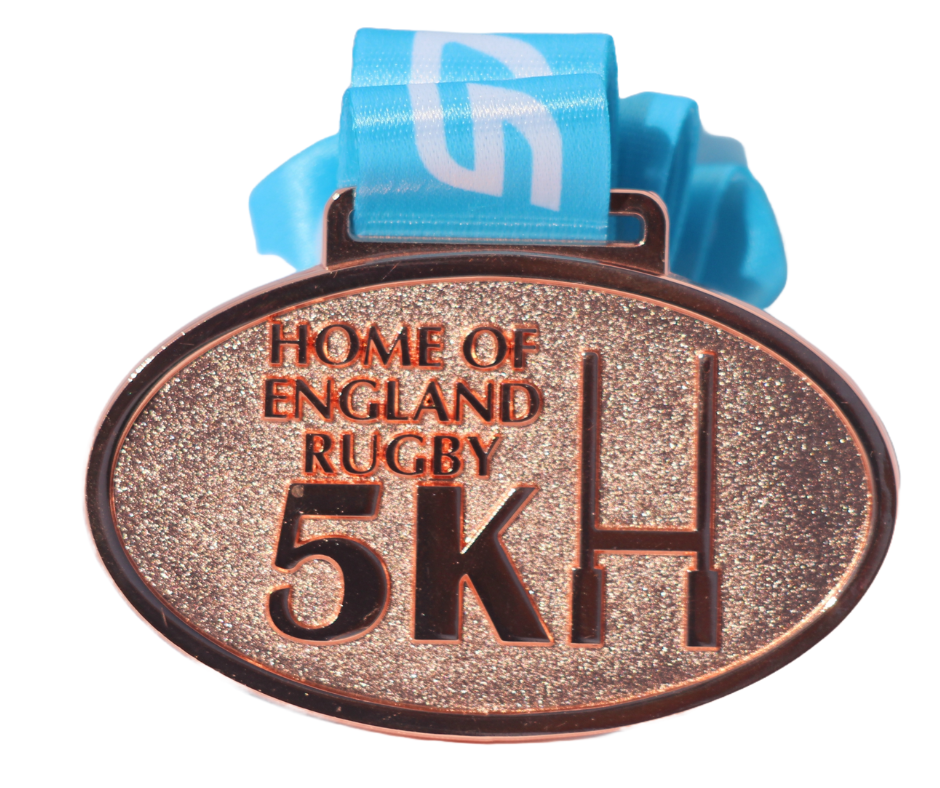
Where are the best Custom Made Medals?
Introduction: The Power of Custom Made Medals


Medals are more than just metal—or acrylic or wood—they embody achievement, memory, and identity. A well-made custom medal is a keepsake: something a participant retains, displays, photographs, and falls in love with. Whether for sports, academia, corporate awards, charity events, charity walks or fun runs, clubs, or recognition programs, custom medals elevate the experience.
Generic “stock” medals may do the job—but custom medals allow you to:
-
Embed your branding, logos, slogans, or motifs
-
Tailor shapes, sizes, materials, and finishes
-
Add personalization (names, times, rankings)
-
Create visual cohesion across categories or years
-
Increase perceived value and encourage repeated participation
They help transform an event or recognition program from “something people get” into “something people cherish.” But producing great custom medals requires navigating several design, manufacturing, budget, and quality trade-offs. That’s what this guide is for.
Throughout, I’ll reference Elite Sports Medals—a UK-based medal manufacturer with robust custom medal offerings. Their service page gives a view of the possibilities: https://www.elitesportsmedals.co.uk/
You can see examples of medal types, materials, shapes, and finishes they support.
1. What Are Custom Made Medals?


A “custom made” medal (sometimes called bespoke medal or tailor-made medal) is a medal designed and manufactured to a specification defined by the purchaser: in terms of shape, materials, finishes, engravings, branding, and packaging, rather than selecting from a pre-made catalog.
Custom medals can vary enormously in complexity and style. Some are simple circular medals with a custom logo and ribbon. Others are elaborate multi-layered, mixed-material masterpieces combining metal, acrylic, wood, enamel, cutouts, color gradations, and personalization.
The steps of custom-making include: design, prototyping, tooling (dies or molds), casting/striking or molding, finishing, personalization, quality control, and packaging.
Because each part can be customized, the “custom” label gives you freedom—but also demands careful planning.
2. Why Go Custom? Benefits & Use Cases
Benefits of Custom Medals
-
Brand Integration & Identity
You can include your event name, logo, slogan, sponsor marks, year, route motifs, or thematic graphics. This ensures your brand lives on beyond the day. -
Differentiation & Prestige
Unique shapes, effects, and finishes make your medals stand out compared to run-of-the-mill ones. -
Emotional Connection
Participants feel more valued when the medal is clearly tailored to that event or organization. -
Personalization
You can engrave names, times, placings, or serial numbers. That makes each medal uniquely meaningful. -
Collectability & Continuity
If you run annual events, you can retain design elements while evolving the look, making the medals collectible across years. -
Revenue & Upsell Potential
You can sell premium versions, limited editions, or special categories as merchandise. -
Sponsor Value
Sponsors love their name on something physical, visible, and enduring. A great medal is prime branding real estate. -
Flexibility in Volume
While custom medals often make sense in moderate-to-large runs, good producers can handle smaller runs too, making custom possible even for smaller events.
Use Cases & Examples
-
Sports & Running Events — Finisher medals, podium medals, special awards
-
Swimming / Aquatics — Swim medals, open water medals
-
Cycling, Triathlon & Multi-Sport — Multi-mode themed medals
-
Club & Association Awards — Annual “Member of the Year,” lifetime service
-
School & Academic Awards — Graduation, competition winners
-
Corporate Recognition — Employee awards, sales targets, service awards
-
Charity & Fundraiser Events — Walkathons, challenge medals
-
Anniversary / Commemorative — Milestone editions, legacy designs
In every scenario, a custom medal is both reward and branding tool.
3. Custom Medal Styles, Materials & Finishes
One of the advantages—and complexities—of custom medals is the mix of styles and materials at your disposal. Below is a taxonomy of options, along with pros/cons and when to use each.
3.1 Material / Base Types
-
Zinc Alloy – cost-effective, good for die-casting or striking
-
Brass / Bronze – more premium, holds patina, classic look
-
Nickel / Copper / Mixed metals – for special finishes or contrasting metals
-
Stainless Steel – durable, rust resistant
-
Acrylic or Clear Center Inserts – combine transparency with metal ring
-
Wood & Veneer Layers – for eco or rustic style
-
Resin / Epoxy Overlays – for domed surfaces
-
Hybrid (Metal + Acrylic / Wood) – combining multiple materials
3.2 Medal Styles & Effects
-
Die-Struck / Die-Cast – raised / recessed relief using dies
-
Soft Enamel – enamel color fills with raised metal edges
-
Hard Enamel (Cloisonné style) – enamel grounded flush with the surface
-
Printed / UV / Digital Print – full-color graphics, gradients, photos
-
Epoxy-Domed / Resin Coated – protective domed layer over printed or enamel surfaces
-
Cutouts / Skeleton Design – negative-space holes or windows in the medal
-
Layered / Multi-Level – stacking different materials or plates
-
Oversized / Statement Medals – larger than normal diameter or weight
-
Textured Backgrounds – matte, stipple, hammered, radial, or embossing
-
Edge Treatments – beveled edges, faceted sides, milled rims, rope edges
3.3 Personalization & Variable Data
-
Engraving / Laser Etching – names, times, placement
-
Blank Zones / Plates – reserved areas or removable plates
-
Numbering / Serial IDs – for collectible runs
-
Variable Data Printing – digital print overlays per unit
3.4 Finishing Options
-
Polished / Mirror Finish – high shine on raised surfaces
-
Antique Wash / Black Nickel – darker in recesses, bright on raised elements
-
Satin / Matte Finishes
-
Dual-Tone / Two-Metal Plating – e.g. gold + silver accents
-
Protective Coatings or Sealants
-
Edge Coloring / Infill Paint on Edges
Each decision affects cost, durability, and visual effect. For instance, multiple enamel colors and cutouts raise tooling complexity and cost.
Custom medal suppliers (including Elite Sports Medals) typically list many finishes and plating options in their catalogs — giving you flexibility to tailor the look. On their site, you can browse medal types they offer and custom design options: Elite Sports Medals Custom Design Medals
4. From Design to Delivery: The Custom Medal Workflow
To successfully deliver a custom medal project, you should understand the workflow phases. Here’s a standard process:
Phase Description Key Deliverables / Risks Concept / Brief You provide vision, theme, branding, references Design brief, style direction Artwork / Mockups Designer drafts vector mockups or 3D renderings Digital proofs, front/back views Prototype / Sample A small sample or pre-production medal is made Physical inspection reveals flaws Tool/Mold / Die Creation Molds or dies are built based on approved design Tooling cost, setup delays Production Run Bulk manufacture (casting, striking, molding) Variables in batch consistency Post-Processing Enameling, printing, plating, polishing Quality defects, color mismatches Personalization Engraving, applying names or numbers Data misalignment, errors Quality Control Inspection and defect filtering Reject rates, rework costs Packaging & Presentation Boxes, pouches, backers, shipping prep Damage in transit, presentation quality Delivery & Feedback Client inspection, acceptance, adjustments Final acceptance or remake Some of the risks at each step are hidden until you run a prototype. That’s why pilot runs and mockups are critical.
A well-managed supplier will offer transparent milestones, sample provisions, and clear defect policies.
5. Design Tips & Best Practices for Custom Medals
To ensure your custom medal looks and performs brilliantly, follow these design guidelines:
Use Vector Artwork
Logos and intricate elements should be vector (AI, EPS, SVG) so they scale cleanly. Raster images (JPEG, PNG) may blur or pixelate when printed or enlarged.
Maintain Safe Margins & Bleed
Don’t place text too close to edges or cut lines. Give margin for trimming, tooling tolerance, and plating “creep.” Use bleed zones for background color or graphics.
Avoid Extremely Thin Bridges or Lines
If your design has very narrow metal strips, they may break or deform. Always test structural integrity in the design stage.
Limit Number of Enamel / Color Zones
Each additional enamel color adds cost and complexity. Consolidate contiguous color areas, or use printing for gradients instead of trying to replicate with enamel.
Plan Personalization Zones
If you intend to add names, times, or numbers, reserve flat, uncluttered areas for engraving or etching so that personalized text remains legible.
Choose Finishes That Enhance & Protect
Use contrast finishes (polished raised, matte background) to let design features “pop.” Add UV-protective sealants or domed coatings where needed.
Prototype & Test
Never skip a prototype. Examine it under real conditions: sunlight, bending, edge handling, ring / ribbon fit, etc.
Order Extras for Spares / Defects
Medal projects always have minor defects. Order an extra 5–10% to cover rejects, replacements, or future jog-of-supply.
Package Carefully
Protect medals from scratching, plating rub-off, or denting by using soft sleeves, foam, separators, or cloth wraps. Labeling and orientation in the box matter.
Retain Design Files & Tooling Rights
Ensure the supplier retains molds/dies or that you have rights to reorders. Keep final proof files and specifications documented.
6. Quality Control & Durability Considerations
Custom medals should be durable, and quality control is the gate before distribution.
Key QC Checks
-
Color consistency across a batch
-
Plating uniformity — no dark spots, peeling, plating misalignment
-
Enamel / paint fill — no gaps, overflows, bubbles
-
Alignment of front / back (design symmetry)
-
Attachment points (e.g. loop holes, bails) should be sturdy
-
Edge finishing — smooth, no burrs
-
Engraving accuracy — no spelling or alignment errors
-
Random stress tests — drop, bend, bend-back, scratch
Durability Factors
-
Use high-quality metals and plating to resist corrosion
-
Seal printed or enamel areas to prevent fade or peel
-
Avoid overly thin or fine parts susceptible to damage
-
Use protective coatings or domes for exposed surface designs
-
In multi-material medals (e.g. wood + metal), manage bonding interfaces carefully
Packaging & Transit Protection
-
Proper boxing, padding, separators
-
Use anti-rub liners or cloth sleeves
-
Label sensitive surfaces (face up)
-
Consider climate / humidity control in shipping
Warranty & Replacement Policies
-
Agree with supplier a threshold (e.g. 0.5–1%) for allowable defects
-
Inspect first batch on arrival before distributing
-
Retain samples of each batch for future reference
-
Keep spare medals for replacement needs
7. Trends & Innovations in Custom Medals
The medal industry is evolving—new techniques, materials, and design ideas are pushing the boundaries. Some trends:
Mixed Materials & Hybrid Medals
Combining metal with wood, acrylic, resin, silicone, or decorative inlays to create layered, textured, or contrasting effects.
Transparent / Clear Sections
Cut-out windows or acrylic inserts inside medals for light-through effects or design layering.
Full-color Printing & Gradients
Advances in UV printing allow high-fidelity gradients and photographic elements that enamel alone can’t handle.
Glow / Luminescent / Holographic Elements
Adding glow-in-the-dark enamel, holographic foils, or special effects to make medals that shine after dark.
Edge Coloring & Infills
Painting the edge of the medal or adding colored edge inlays as accent lines.
Personalized / Interactive Medals
Embedding QR codes, NFC chips, or augmented reality markers on medals that connect to digital certificates, photos, or event pages.
Limited Edition & Collectible Series
Numbered medals, variant color runs, or incremental annual redesigns to encourage collection.
Eco / Sustainable Medal Materials
Using recycled metals, wood, or eco-friendly plating processes to reduce environmental footprint.
Modular Medals
Allowing parts (ribbons, medallion inserts) to be swapped or upgraded (e.g. base medal + colored ring attachment).
8. Partnering with Medal Suppliers: What to Ask
To get the best outcome in your custom medal project, choosing and communicating with your supplier is vital. Here’s what to look for and what to ask.
Supplier Evaluation Criteria
-
Portfolio & samples — inspect complexity, finishes, accuracy
-
Customization flexibility — Do they support many shapes, cuts, mixed materials?
-
Mold / die retention & reorders
-
Minimum order and volume pricing
-
Lead times & capacity
-
Proofing & prototype process
-
Quality control and defect policies
-
Packaging & shipping expertise
-
Ethical sourcing, materials, and sustainability credentials
Questions to Ask
-
Can you provide a physical sample or prototype prior to full run?
-
What is your mold / tooling retention policy for future reorders?
-
How many colors and types of plating / finish do you support?
-
What is your defect / replacement policy / warranty?
-
How do you package medals to prevent damage in transit?
-
Can you support personalization / variable data like names or numbers?
-
What are your standard lead times and options for rush orders?
-
Can we inspect before shipment or see batch photos?
-
What is the minimum order quantity?
-
How do you handle color matching and variation across runs?
-
What protective coatings or treatments do you apply to preserve medals?
-
Can you ship duty-paid / handle customs?
Having clear answers to these ensures fewer surprises and higher confidence in delivery.
9. Cost Drivers & Budgeting
Custom medals cost more than generic ones, but you can manage and optimize. Understanding the cost components is key.
Primary Cost Drivers
-
Tooling / Mold / Die Creation — one-time setup cost
-
Number of Colors / Enamel / Printing Complexity
-
Medal Size & Thickness (material volume)
-
Cutouts / Complexity & Under-Cut Areas
-
Plating / Finish Types (gold, antique, dual-tone)
-
Personalization / Variable Data Engraving
-
Protective Coatings / Domes / Sealants
-
Packaging / Presentation, boxes, pouches
-
Volume / Quantity (bulk discount)
-
Shipping, import, customs
Cost-saving Strategies
-
Use standard shapes/designs where possible and reuse molds
-
Limit color count or use printing for complex color areas
-
Order larger runs to get scale efficiencies
-
Negotiate lower per-unit rates for reorder
-
Use simpler finishes for lower tiers, premium finishes for top-tier medals
-
Order extras to cover defects
-
Choose a supplier near you (to reduce shipping/duty)
Example Pricing Tiers (Hypothetical)
Units Simple Medal (1-2 colors) Mid-level Medal (3-4 colors + enamel) Premium Medal (multi-color, domes, cutouts) 50 £4.00 £7.50 £12.00 200 £3.20 £5.60 £9.50 500 £2.80 £4.80 £7.80 These are illustrative; actual pricing depends heavily on supplier, geography, and design complexity.
When you request quotes, always ask for full breakdown: base cost, color cost, tooling, plating, personalization, packaging, and shipping.
10. Examples & Inspiration
Here are some example medal types, styles, and offerings to inspire your custom design:
-
1. Custom Medals with Logo (Bespoke Sports Medals) — a simple but effective custom medal to represent branding.
-
2. Custom Insert Star-Burst Medal — features an insert/plate for variable personalization.
-
3. Eco-Friendly Personalised Medal — uses sustainable materials or finishes.
-
4. Personalised Engraved Metal Medal — combination of metal with engraving.
-
5. Logo Custom Medals — corporate logo-centric medal style.
-
6. Personalised Gold Medal — premium gold-plated design.
-
7. Custom Made Medal — fully bespoke offering.
-
8. Large Star Personalised Medal — bold, oversized design for standout awards.
These styles show how you can mix shape, finish, material, and personalization. Use them as a mental menu when designing.
Also check Elite Sports Medals’ gallery for real-world examples in the UK context: their catalog helps you see what’s practical, standard, or extravagant. (https://www.elitesportsmedals.co.uk/)
11. A Practical Checklist Before You Start
Before committing to a full custom medal order, here’s a checklist you can run through:
-
Define Purpose & Message — what do you want your medal to communicate?
-
Decide Style & Tiering — will all medals be identical or tiered (gold/silver/bronze)?
-
Select Material & Finish — metal type, plating, enamel, coatings
-
Shape & Size — round, shield, custom silhouette, diameter, weight
-
Branding & Artwork — collect high-quality vector files
-
Personalization Strategy — which fields, engraving method, layout
-
Prototype / Sample — always order sample or mockup
-
Quality Standards & Tolerance — define what defects are acceptable
-
Packaging Design — how medals will be presented and protected
-
Logistics & Timing — production lead time, shipping, customs buffer
-
Budget & Cost Allocation — full cost per medal including extras
-
Reorder & File Retention — preserve dies, artwork, molds
-
Agreement / Contract — clarity on defect policy, delivery, retainer
-
Inspection & Acceptance — process for accepting batch delivery
Use this to approach the project in an organized way and reduce risk.
12. Conclusion & Call to Action
Custom made medals are one of the most powerful tools in your event or recognition arsenal. They combine art, engineering, branding, and emotion. When done right, they become treasured symbols that outlive the moment.
To recap:
-
Custom medals let you embed your identity, story, and uniqueness
-
There is a wide range of materials, finishes, and personalization options
-
Design wisely: allow margin, avoid fragile parts, think structural strength
-
Prototype, test, inspect carefully
-
Choose a supplier with experience, transparency, and professionalism
-
Plan packaging, buffer times, costs, and reorders
-
Leverage trends where possible: mix materials, color effects, limited editions
If you’re considering a medal for your next event, Starter Step: reach out to Elite Sports Medals — view their custom medal offerings and discuss your concept. (https://www.elitesportsmedals.co.uk/)
-
-
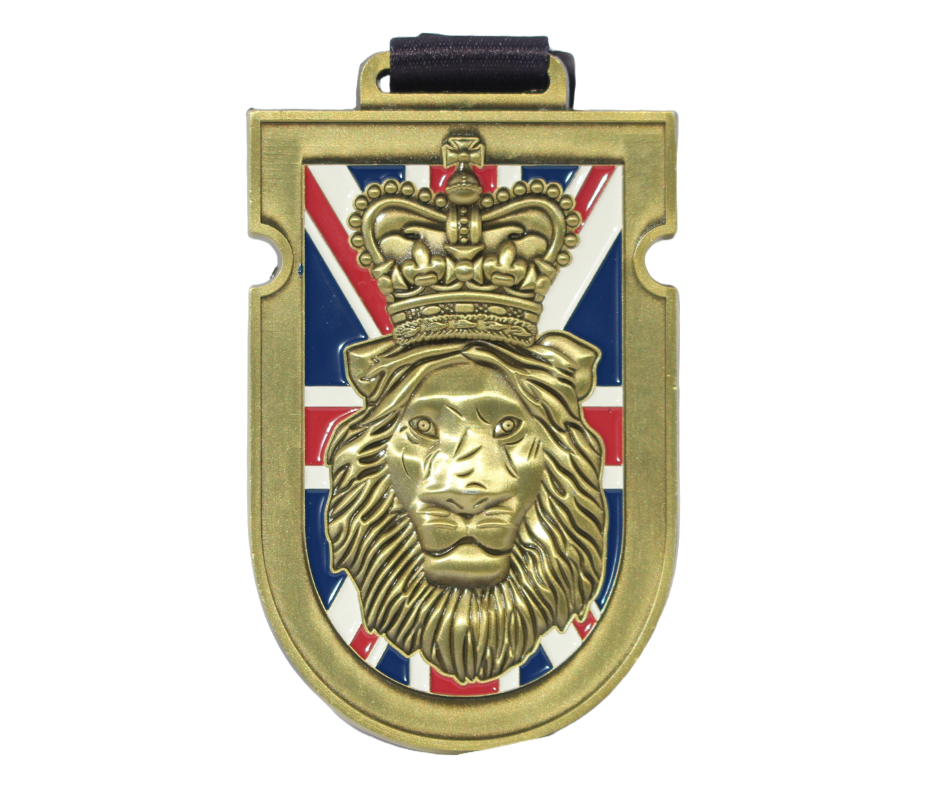
What is the best uk company for custom medals creation?
Why Personalised Medals Are So Valued


Personalised medals go beyond generic awards. They carry meaning, identity, and emotional resonance. Here are key reasons many organizations, events, and clubs choose personalized medals:
-
Emotional connection — When a medal includes a person’s name, event, year, or achievement, it becomes more than a mass-produced item. It becomes a tangible memory.
-
Branding & Legacy — Personalised medals allow you to embed your event name, logo, sponsor messaging, or theme. As recipients keep or display them, your brand continues to gain visibility.
-
Motivation & Prestige — Knowing that the medal is custom and unique adds prestige. It motivates participants to strive for something bespoke rather than generic.
-
Collectibility — For recurring events (annual runs, seasons, tournaments), participants often collect medals over time. A well-designed personalised medal encourages return participation.
-
Differentiation — In a crowded space of events and awards, a distinctive personalised medal helps your event or organization stand out.
-
Flexible & Versatile — With the right supplier, you can personalise many attributes: names, finishes, shapes, colors, materials, attachments, etc.
- You will find that Elite Sports Medals.c0.uk supply the best service for custom medals in the UK>
What Makes a “Great” Personalised Medal?

To be truly effective and memorable, a personalised medal needs more than just a name on the back. Here are the essential qualities:
-
Good materials & durability — It should feel solid and last over time (resist wear, tarnish, scratches).
-
Clear, readable personalisation — The name, date, or number must be legible and integrated elegantly.
-
Aesthetically pleasing design — The personalization shouldn’t look like an afterthought — it should integrate with the overall design.
-
Balanced weight & size — Heavy enough to feel substantial but not overly bulky or awkward to wear.
-
Protective finish & coatings — To preserve engraving, enamel, or printing from damage.
-
Thoughtful attachment & ribbon integration — The way a medal hangs (ribbon, loop) affects usability.
-
Packaging & presentation — A nice case, pouch, or box enhances perceived value.
-
Repeatability & reorders — The design should allow you to reorder or adapt in future years with minimal extra cost.
Types & Styles of Personalised Medals

When you commission personalised medals, there are many styles and finishes. Below are the most common and desirable ones, with pros, cons, and when to use each.
1. Plain Metal with Laser or Engraved Personalisation
Description:
A medal with a simple relief or design, onto which names, times, or event details are laser-engraved or etched.Pros:
-
Cost-effective personalization
-
Works for many styles of medals
-
Clean, classic look
Cons:
-
No color in the personalization
-
Lower visual “pop” compared to colored effects
Best for:
Schools, club-level events, categories where many medals are required but you want personal names.2. Enamel + Raised Metal with Engraved Section
Description:
Medal design uses enamel for color and raised metal for borders and design, with a recessed or plain area reserved for custom engraving.Pros:
-
Combines visual appeal with personalization
-
Clear, readable engraving area
-
More premium appearance
Cons:
-
Slightly higher cost
-
Coordination needed between design and personalisation zone
Best for:
Club championships, sports events, community races.3. Full-Color / UV-Printed Medals with Personalized Sections
Description:
The medal surface is printed in full color (logo, graphics, gradient, etc.), with a reserved blank or subtle area for personalized name/time (usually laser-etched on top or printed later).Pros:
-
Very flexible for graphic-heavy designs
-
Photographic or gradient backgrounds possible
-
You can produce variants easily
Cons:
-
Personalization may have lower contrast against background
-
Needs good protective coating or dome to protect print
Best for:
Events with strong branding, sponsorship, or design-heavy themes.4. Epoxy Dome / Resin-Coated Personalised Medals
Description:
A medal (metal or printed) under a clear dome of epoxy or resin. Personalization (engraving or print) is integrated before doming or in a layer.Pros:
-
Very durable surface protection
-
Glossy, premium look
-
Protects personalization from wear
Cons:
-
Slight thickness adds
-
More expensive
-
Possible doming defects/bubbles if not done correctly
Best for:
High-end awards, open-air events (rain, wear), collectible medals.5. Cut-Out / Skeleton Medals with Engraving
Description:
Medal design includes cut-through sections or open spaces; personalized text is engraved on the solid parts or on a backing plate.Pros:
-
Distinctive aesthetic
-
Personalization stands out on solid zones
-
Lightweight design options
Cons:
-
Structural complexity
-
More risk of damage in thin sections
-
Engraving zones must be carefully planned
Best for:
Signature events, cycling, themed competitions, where the shape is integral to design.6. Oversized or Statement Medals with Personalisation
Description:
Larger medals (e.g. 80 mm or more), making the personalization more of a design element. The name/time is more visible.Pros:
-
Strong visual impact
-
Easier to show personalization legibly
Cons:
-
Heavier, more expensive
-
May be less comfortable to wear
Best for:
Milestone events, championship winners, major races.7. Hybrid / Mixed-Media Personalised Medals
Description:
Combining materials (metal + wood, acrylic + metal) and layering personalization in a special insert or plate.Pros:
-
Unique, premium look
-
Ability to mix textures and materials
-
Custom insert or plate can ease reorders
Cons:
-
Complexity of bonding, tolerances, alignment
-
Higher cost, more risk of delamination
Best for:
Commemorative editions, premium event categories, collectors.
Design & Personalisation Best Practices
To ensure your personalised medals look great and are practical, here are design tips and pitfalls to avoid:
-
Vector artwork — always supply logos and designs in vector format (AI, EPS, SVG) so they scale cleanly.
-
Safe margin / bleed — don’t place text too close to the edge or cut line; allow buffer zones.
-
Contrast & legibility — use high contrast between text and background; avoid engraving in busy graphics without clear backdrop.
-
Font choice — stick to clean, readable fonts when engraving small names; avoid overly decorative scripts unless large.
-
Size control — very long names or time strings may need truncation or scaling; limit character counts.
-
Structured zones — allocate a flat, unembellished space in the design for personalized text rather than placing it in very textured zones.
-
Prototypes / proofs — always request a sample or prototype to check how the personalization looks in real life.
-
Edge cleanup & finishing — ensure engraving edges are smooth, no burrs.
-
Protective coatings — after personalization, apply sealant, lacquer, or dome to prevent wear especially on engraved areas.
-
Numbering or sequence — for collectible medals, you may want to include serial numbers or edition identifiers.
Use Cases & Where Personalised Medals Shine
Personalised medals are especially effective in many contexts. Here are examples:
-
Running, triathlon, and endurance events — giving finishers personalized medals makes the award more meaningful.
-
Club & league competitions — medals for champions, runners-up with names and year.
-
School sports days & interschool tournaments — each student gets a medal with their name or category.
-
Charity or memorial events — personalization adds sentimental value.
-
Commemorative editions — e.g. 10-year participant medal with the name and years.
-
Corporate awards / employee recognition — customized medals for staff yearly awards or achievement programs.
-
Team or club internal awards — “Member of the Year,” lifetime service, etc.
How to Choose a Supplier
When selecting a medal supplier, especially for personalized medals, consider these factors. We’ll use Elite Sports Medals as a UK-based example.
1. Personalisation Capability
Make sure they can handle variable data (engraving names, times, numbers) reliably. Elite Sports Medals advertise full custom medal services with engraving and free design. Elite Sports Medals
2. Range of Medal Types & Finishes
You want options: enamel, printed, domed, wood, custom shapes, etc. Elite lists many medal types including wooden, clear centre, custom shapes. Elite Sports Medals
3. Minimum Order Quantity & Flexibility
Look for a supplier with modest minimums for smaller runs but ability to scale. Elite states they can make custom medals “from just 98p” and “MOQ of just 1 unit” in some cases. Elite Sports Medals
4. Lead Time & Delivery
Time matters — you need the medals delivered before your event. Elite promises “as little as 2 weeks” for production. Elite Sports Medals
5. Tooling / Mold Retention
Ask whether molds or dies are retained so you can reorder at lower cost in future.
6. Quality Assurance
Check that the supplier does batch QC, inspection before shipping, and handles defects or replacements.
7. Proofs / Sample Policy
Ensure the supplier will send digital proofs (and preferably physical samples for large orders) for approval.
8. Packaging & Presentation
A medal’s presentation affects perception — pouches, boxes, backers. Check what is included.
9. Reputation & References
Look for portfolios, client testimonials, gallery images. Elite Sports Medals has a gallery and many medal types listed. Elite Sports Medals
Example Personalized Medals (Product Illustrations)
Here are some examples of personalised medals you might emulate or order.
Here are a few highlights:
-
Custom Medals with Logo (Bespoke Sports) — standard custom medal where you can apply your logo and name.
-
Custom Insert Star‑Burst Medal — an insert-style medal where the personalised portion is slotted in.
-
Eco‑Friendly Personalised Medal No Ribbon — a more environmentally-oriented medal without ribbon.
-
Personalised Engraved Metal Medal with Lanyard — a medal with engraving and ribbon included.
-
Logo Custom Medals — general logo-based custom medal option.
-
Personalised Gold Medal — gold-finished medal with personalization.
-
Custom Made Medals — standard custom medal with full customization.
-
Large Star Personalised Medal — an oversized star-shaped personalized medal.
These serve as good reference points for styles, price tiers, and personalization methods.
Cost Drivers & Budget Management
Personalised medals cost more than generic ones — here are the main cost drivers and how to manage them:
Key Cost Drivers
-
Tooling / die creation — custom shapes or cut-outs require upfront tooling fees.
-
Number of personalization units — engraving or variable data (like 200 names) adds cost.
-
Finish & embellishments — enamel colors, domes, special plating raise cost.
-
Material & thickness — heavier metals or exotic materials cost more.
-
Protective coatings / sealing — domes, resins, lacquers add expense.
-
Packaging / presentation costs — boxes, pouches, premium packaging.
-
Shipping & import / duties — especially for international suppliers.
Cost Management Tips
-
Use simpler personalization for bulk runs (e.g. standard back engraving) rather than full color personalization.
-
Limit enamel colors in design; fewer color zones reduce cost.
-
Use a standard shape or die you can reuse in future events.
-
Request quantity discounts — many suppliers reduce per-unit cost at higher volumes.
-
Order extras to buffer against defects (5–10% extra).
-
Consolidate packaging and avoid overly expensive boxes if unnecessary.
Timeline & Workflow: From Concept to Medal in Hand
Here’s a recommended workflow and time milestones:
-
Concept & Briefing (1–3 days)
Define your design, personalization needs (names, numbers), medal style, quantity, budget. -
Design & Proofing (2–5 days)
Supplier sends digital mockups. You review, iterate, and approve. -
Prototype / Sample (if requested)
For premium or complex designs, request one sample or small batch for your inspection. -
Production / Personalization (1–3 weeks or more)
Dies, plating, enamel, engraving, assembly, QC — time depends on complexity and quantity. -
Finish & Packaging (2–5 days)
Protective coating, ribbon insertion, boxing or pouching. -
Shipping & Delivery (depends on location, 3–14 days or more)
International or remote may add time for customs. -
Buffer / Contingency
Always build in extra days in case of delays or corrections.
With a quality supplier like Elite Sports Medals, for relatively standard designs the lead time often quoted is 3-4 weeks, and sometimes as little as 2 weeks for simpler orders. Elite Sports Medals
Highlight: Elite Sports Medals as a Personalised Medals Provider
To make this concrete, here’s how Elite Sports Medals (UK) exemplify many of the ideal capabilities for personalised medals.
What They Offer
-
Full custom medal types: enamel, non-enamel, wooden, clear centre, glow in the dark, etc. Elite Sports Medals
-
Free medal design service — they assist turning your idea into a production-ready mockup. Elite Sports Medals
-
Low cost starts: they advertise medals from as low as “just 98p” (for basic versions) and with free design support. Elite Sports Medals
-
Capable of any shape, size, custom.enquiries (logos, cutouts) Elite Sports Medals
-
They cater to many event types (running, swimming, cycling, triathlon) and award categories (finisher, team, champion) Elite Sports Medals
-
Local in the UK: based in Cornwall, which helps with communication, sampling, and quicker UK delivery. Approved Business+1
If you’re based in the UK or Europe, Elite Sports Medals is a strong candidate for your personalised medal provider. Their gallery, medal types, and design support show they’re accustomed to high customization.
Recommendations & Checklist for Planning Personalised Medals
Here’s a checklist you can use when commissioning personalised medals:
Task Notes / Reminder Define event identity & theme Colors, logos, motifs Decide personalization fields Name, finish time, placing, ID number Choose medal style Enamel, printed, domed, etc. Define medal base & material Metal, acrylic, wood, hybrid Allocate personalization zone in design Ensure readability & integration Request mockups & approve Visual render before production Request prototype if needed Check actual look & feel Confirm finishing & protection Coating, doming, plating Plan ribbon / attachment Matching style, printed ribbons Order extras To allow for defects or replacements Get packaging options Boxes, pouches, display backers Confirm lead times & buffer Shipping, customs, rework time Inspect on delivery Quality check for defects or mismatches Document files & molds So you can reorder easily If you follow a structured process and work with a supplier who supports strong personalization, you’ll likely get a medal that delights participants.
-
-

Where can i find custom made wood medals?
The Rise of Custom Wood Medals: Nature Meets Recognition
In the world of awards and recognition, metal is king — gold, silver, bronze — the traditional go-to materials for medals and trophies. Yet in recent years, wood has carved out a distinctive niche. Custom wood medals blend sustainability, aesthetic warmth, and creative flexibility in a way that many organisers, clubs, and events find irresistible.


As more people and organisations place value on eco-conscious design and unique, tactile keepsakes, the appeal of wood medals grows. They are lighter to wear, more striking in design possibilities, and often come with a story — a blend of craftsmanship and environmental awareness.
When you order wood medals, you’re not just handing out awards; you’re giving something with character, texture, and a sense of authenticity.
One UK supplier doing this well is Elite Sports Medals, which offers a range of wooden sports medals (among many medal types) with custom shapes, laser engraving, UV printing, and ribbons. Elite Sports Medals+1
In this post, we’ll explore:
-
Why you might choose wood medals
-
Materials, production, and methods
-
Design strategies for maximum impact
-
Use cases and examples
-
Working with a supplier (e.g. Elite Sports Medals)
-
Cost, logistics, and ordering tips
-
Care, display, and longevity
-
Trends and the future of wood medals
Let’s dive in.
1. Why Choose Custom Wood Medals?
Sustainability & Eco Appeal
One of wood’s most compelling advantages is its green credentials. When sourced responsibly, wood can be renewably harvested, making it more sustainable than metal mining or heavy material processing. Many events now feature “green” or “sustainability” themes, and a wooden medal aligns perfectly with that ethos.
Beyond sourcing, wood’s manufacturing processes (laser cutting, printing, minimal chemical usage) often carry lower environmental impact compared to metal casting, plating, or heavy polishing. That makes wood medals an appealing choice for eco-conscious organizations.
Unique, Warm Aesthetic
Wood has natural grain, texture, and slight variation. A wood medal feels organic, warm, and tactile. The hands-on nature — seeing grain, natural lines — gives each medal a unique character. No two pieces look exactly alike.
In contrast, metal tends to look cold and uniform. Wood offers personality, which helps the medal itself become a memorable keepsake, something recipients want to hang on to, display, and talk about.
Lightweight & Comfortable
Wood medals are often lighter than solid metal ones. For events where medals are worn around the neck for extended periods (fun runs, kids’ events, school sports), weight matters. A lighter medal is more comfortable, particularly for younger participants or children.
Design Flexibility & Customization
Modern techniques make wood highly customizable:
-
Laser cutting / die-cut shapes: You can cut wood into almost any shape — circles, shields, sport silhouettes, cutouts, and negative spaces.
-
Laser engraving: Fine detail, precise lines, and name personalization are possible without extra layers.
-
UV printing: Full-color prints on wood surfaces allow vibrant logos, gradients, and photographic elements.
-
Mixed layers / inlays: Some designs incorporate mixed materials (wood + metal inserts, acrylic overlays) to create hybrid visuals.
Because wood is relatively easy to manipulate, designers often enjoy more freedom with shapes and creative layouts than typical metal restrictions.
Differentiation & Branding
Using wood medals helps an event stand out. In a sea of metallic trophies and acrylic plaques, wood feels fresh, distinctive, and brand-forward. It says something about the values behind the event — creativity, authenticity, environment.
For sponsors, event managers, schools, or clubs, a custom wood medal becomes a talking point, a visual differentiator that aligns with a modern, progressive identity.
Cost & Scalability
While high-end metal medals can carry significant costs in plating, casting, and finishing, wood medals can often offer better value, especially for medium quantities. The key costs—cutting, printing, engraving—scale reasonably. For many smaller events or clubs, wood medals hit a sweet spot between quality and affordability.
Of course, depending on wood species, thickness, full-color printing, and cut complexity, costs can climb — and compared to basic metal blanks, wood might not always be the cheapest. But for design-forward events, the premium is often justified.
2. Materials & Manufacturing Methods
Understanding how wood medals are made helps in designing wisely and choosing a supplier.
Wood Types & Properties
Common wood or wood-based substrates for medals include:
-
Plywood / veneer plywood: Thin wood layers laminated together. Generally stable and easy to cut.
-
MDF / VLC (veneered laminated composite): Engineered wood often used underneath veneer.
-
Solid hardwoods (e.g. birch, walnut, bamboo): Premium visual appeal, more expensive.
-
Bamboo: Sustainable choice; fast-growing, renewable, visually striking grain.
-
Maple, oak, cherry veneers: For more premium, decorative medals.
Key properties to consider:
-
Thickness / stability: If too thin, medals can warp, bend, or break easily.
-
Surface finish / grain contrast: Some woods accept printing or engraving better (lighter woods with fine grain).
-
Edge durability: The edges should not splinter or chip under use.
-
Moisture resistance: Good sealing or finishing helps protect against humidity changes.
Cutting & Shaping
Typically, a wood medal starts as a larger sheet (plywood, veneer board, MDF) which is laser-cut or CNC routed into custom shapes. Laser cutting offers precise detail and clean edges.
Cutouts and negative spaces (holes, silhouette gaps) are feasible, as long as design integrity is maintained (avoiding overly thin bridges).
Engraving, Printing & Finishing
Two main techniques are common:
-
Laser engraving / etching
-
Burns off the surface layer to reveal contrast.
-
Good for monochrome or limited-color designs.
-
Delicate detail, fine lines.
-
-
UV printing / direct-to-wood printing
-
Full-color printing applied to the wood surface.
-
Can reproduce multicolor logos, gradients, photos.
-
Needs accurate color calibration, good contrast with wood.
-
Usually sealed with a matte or gloss clearcoat to protect.
-
Often, production will combine both: UV print for large colorful areas, plus laser-engraved names or details.
Sealing & Protection
To protect the wood surface (from moisture, handling, UV exposure), manufacturers often apply:
-
Clear varnish / lacquer: Matte or gloss finish.
-
Polyurethane / clear coat: Durable and protective.
-
Wax or oil finish: For a more natural feel, though less durable.
The finish should not distort printed colors or obscure fine detail.
Ribbons, Mounts & Accessories
A medal is only part of the package. Good wood medal suppliers offer:
-
Custom ribbons: Colour-matched, printed logos, branded ribbons.
-
Ribbon slots / eyelets: Laser-cut slots or metal eyelets to attach the ribbon securely.
-
Presentation boxes / pouches: To protect the medal and present it nicely.
-
Backings / foam: For display (e.g. wall mounting or plaque backing).
Quality Control & Tolerances
Because wood medals are more delicate than metal ones, quality control is critical:
-
Ensuring clean cut edges, no burn marks or charring (in laser cutting).
-
Checking print registration and color consistency.
-
Confirming stability (no warping) after finishing.
-
Verifying ribbon attachments are strong and durable.
A good supplier will offer proofs or samples for approval before full runs.
3. Designing an Impactful Wood Medal
A well-designed wood medal makes more than a visual impression — it tells a story, supports branding, and becomes a keepsake. Below are design best practices.
Match Style to Theme / Event
Your medal should visually echo your event’s identity:
-
For eco / nature events, incorporate leaf motifs, earth tones, cutouts of trees, or natural shapes.
-
For sports / endurance races, depict athlete silhouettes, dynamic shapes, motion lines.
-
For school / kids’ events, use playful icons and bold colors.
-
For corporate / formal awards, stick to clean lines, subtle engravings, and elegant finishes.
Maximize Contrast & Visibility
Because wood has inherent color and grain, design with contrast in mind:
-
Use darker engraving or printing when placed over lighter wood.
-
Avoid fine light text over dark wood unless framed by contrast borders.
-
For UV color prints, choose colors that stand out (bright, saturated) against wood hues.
-
Consider a border bleed or outline to separate the printed design from the background.
Use Cutouts Thoughtfully
Cutouts or negative-space elements give visual interest (e.g. the silhouette of a swimmer cut away, or event logo shape as a window). But be cautious:
-
Avoid extremely narrow “bridges” that may break.
-
Ensure strength around edges and anchor points.
-
Preview the medal with the ribbon slots and see how the negative space interacts with attachments.
Personalization & Variable Data
Most events will want to personalize each medal (name, finishing time, placing). Consider:
-
Using laser engraving per medal with variable text.
-
Or, if printing, leaving a blank region for sticker or engraved nameplate.
-
Including participant data in areas that won’t interfere with visual design.
Layer Effects & Mixed Materials
Some medals combine wood with other elements for sophistication:
-
Metal inlays: small metal logos embedded in wood.
-
Acrylic overlays: clear or tinted acrylic layers on top of the wood.
-
Multiple layers of wood: stacking different wood types for depth.
-
Relief / 3D engraving: combining print and depth for dimensional effect.
These elements can raise costs but elevate the medal.
Shape & Size Considerations
-
Size trade-off: Larger medals make more visual impact but weigh more and cost more.
-
Uniform thickness: Keeps consistency across medals.
-
Shape memory: Avoid overly complex or delicate shapes that warp or break.
-
Ribbon integration: Plan where ribbon slot or eyelet will go — leave space for that in the design.
Branding & Logo Integration
If the event has sponsors, logos, or club marks, integrate them cleanly:
-
Position logos in visual “safe zones,” where no cutouts intrude.
-
Use simplified versions of logos for wood — avoid extremely fine lines.
-
Balance sponsor visibility with a coherent design; don’t clutter.
Proofs & Sample Checks
Before committing to full production, request:
-
Digital proofs (3D mockups) to check layout, cutouts, and design balance.
-
Physical sample (just one or a few units) if possible — check real-world look and feel, print colors, engraving legibility.
Good suppliers (like Elite Sports Medals) typically include proof stages and a chance to adjust before committing.
4. Use Cases & Real-World Examples
Wood medals aren’t just theoretical — they’re being used in a wide variety of settings. Below are common and creative use cases.
Running, Fun Runs & Charity Races
These are perhaps the most obvious applications. Many local and regional runs now use wood medals to underscore sustainability or event branding. Lightweight, visually unique, and cost-effective — ideal for participants who walk away not just with a medal but a keepsake they value.
Triathlons, Duathlons & Multisport Events
Because competitors receive multiple awards (swim, bike, run, finisher), wood medals reduce cumulative weight and cost. When uniform branding matters, wood medals allow full-color team or event logos and consistent aesthetics across categories.
School Sports Days & Youth Events
Schools and youth organizations often seek affordable, attractive awards. Wood medals give a premium look without the expense of full metal. Kids often appreciate the natural feel and design novelty — plus, wood is safer (less risk of sharp edges or heavy metals for younger wearers).
Charity / Fundraising Events
Many charity events now emphasize their environmental or community mission. A wood medal aligns with those values. Additionally, because they often require quantity rather than extravagance, wood medals balance cost with aesthetic impact.
Corporate & Recognition Awards
Wood medals can be adapted for employee recognition, service awards, and corporate events. They become novelty items — a shift away from generic plaques or certificates — especially if they integrate branding or mission statements.
Club Championships & Seasonal Awards
Sports clubs, martial arts dojos, debate societies, and creative competitions can use wood medals for annual awards or internal tournaments. Because design and run orders are flexible, smaller clubs benefit from the affordability and customization.
Hybrid / Commemorative Medals
Some events combine wood with metal or acrylic elements — for example, a wood base with a raised metal inset or an acrylic overlay. These hybrid medals are ideal when an event wants a “premium touch” while retaining wood’s qualities.
Specialty & Novelty Applications
-
“Tree planting” events: medals cut in leaf shapes, wood themed, pairing with tree planting certificates.
-
Eco challenges / hiking events: medals cut into map outlines, terrain shapes, or natural shapes (mountain, leaf).
-
Limited editions / souvenir medals: for event attendees, not just competitors.
-
Artistic / commemorative projects: e.g. a wood medal with engraving of landscape or event art.
5. Working with a Supplier: Case Study of Elite Sports Medals
When commissioning custom wood medals, your choice of supplier matters. Let’s examine Elite Sports Medals (UK) as a real-world example of what to expect and learn from their offering.
Who They Are & What They Offer
Elite Sports Medals (Custom Awards LTD) is a UK medal and trophy manufacturer that offers a wide variety of medal types, including wood medals. On their website, they feature a dedicated section for wooden medals, highlighting:
-
Any shape or design possible
-
Custom ribbons
-
Shade or partial engraving
-
Minimum order quantity (MOQ) start at 50 units
-
A range of woods, including “smoked thick coloured medals” and coloured wood medals with UV printing.
-
Eco-friendly sourcing and sustainable wood emphasis Elite Sports Medals
They position their wooden medal service as a “beautiful alternative” that is lightweight, customizable, and suitable for sports events, school events, charity events, etc. Elite Sports Medals+1
Their Ordering Process
From the information on their site:
-
Choose wood type (e.g. unique wood, thickness)
-
Provide logo or design
-
Approve a custom proof
-
Production and delivery
-
Ribbons included
They mention free design services, support for UV print, custom shapes, and a 3-4 week lead time typical for medal orders. Elite Sports Medals
Advantages & Considerations from Their Offer
-
Low MOQ: Starting from 50 units means small clubs or events can access custom medals without prohibitive minimums.
-
Design flexibility: Their willingness to cut any shape, use UV print, and combine engraving is a big plus.
-
Free design support: Many clients may not have professional design files; if the supplier assists, that reduces friction.
-
Lead times: 3-4 weeks is often acceptable, but for quick-turn events, it’s something to manage.
-
Sustainability messaging: Their emphasis on eco-friendly sourcing adds marketing value to your event.
To explore their wooden medal offerings, you can visit their “Wooden Medals” page: Elite Sports Medals Wooden Medals.
What You Should Ask or Confirm
When engaging a supplier like Elite:
-
Ask to see past samples or case studies, especially ones similar to your intended design.
-
Confirm proof and revision stages: how many rounds, cost, turnaround.
-
Clarify material details: wood species, thickness, finish.
-
Understand cut complexity costs: highly intricate shapes may incur surcharges.
-
Check print vs engraving: quality, durability, color match.
-
Ask about sealing / coating and its impact on look/feel.
-
Verify ribbon and attachment specifications.
-
Know the packaging and shipping — ensure medals arrive undamaged.
-
Understand return policy or replacement for defects or batch issues.
Working with a reputable supplier gives you peace of mind and confidence in the final product.
6. Cost, Logistics & Ordering Tips
Producing custom wood medals involves various cost factors and logistical considerations. Here’s how to plan efficiently.
Cost Drivers & Budgeting
Main cost factors include:
-
Quantity / batch size
-
Larger orders typically reduce per-unit cost (economies of scale).
-
But very small orders might carry setup or tooling fees.
-
-
Material / wood species
-
Common plywood or MDF is cheaper; premium hardwood or exotic species cost more.
-
Composite woods or bamboo may lie in the middle.
-
-
Complexity of shape / cutouts
-
Simple circles or shields cost less; intricate shapes with many curves or internal cutouts cost more.
-
Bridges or fine details may require slower cutting or additional finishing.
-
-
Print vs engraving
-
Engraving is usually less expensive (monochrome), while full-color UV printing adds cost.
-
Combining both increases complexity.
-
-
Finishing & sealing
-
Clearcoats, varnishes, or protective sealing add cost.
-
If multiple finish layers or premium coatings are used, cost goes up.
-
-
Personalization / variable data
-
Individual engraving or names per piece adds cost.
-
Automated laser variable engraving is efficient if supplier has workflow.
-
-
Ribbons, packaging & accessories
-
Custom ribbons, presentation boxes, protective sleeves add extras.
-
The quality and branding of ribbon and packaging affect costs.
-
-
Shipping & logistics
-
Bulk, heavy, or fragile shipments cost more.
-
International or remote delivery adds to freight or courier charges.
-
Always ask supplier for a detailed cost breakdown so you understand each component (cutting, printing, finishing, attachments). This helps you decide which features to keep or cut.
Lead Time & Scheduling
-
Typical lead times are 2 to 4 weeks from proof approval to delivery (depending on supplier and complexity).
-
For rush events (e.g., a race a month away), request expedited production — but expect surcharge.
-
Buffer in time for proof revisions, packaging, and transport delays.
-
Order early and allow buffer days for quality inspections and replacements.
Minimum Order Considerations
Some suppliers have minimum orders (MOQ). Elite mentions an MOQ starting at 50 units. Elite Sports Medals If your event is very small (e.g., 20 awards), ask if they’ll do a smaller batch (with surcharge), or if hybrid options (e.g. partially blank wood for later engraving) are possible.
Sample & Proofing Strategy
-
Always request a physical sample if possible, especially if color printing is involved — colors behave differently on wood.
-
Approve proofs carefully. Check alignment, cutouts, print registration, contrast, and fit with ribbon slots.
-
Ask the supplier to send you the “worst-case sample” (with hardest colors or cut) to test tolerances.
Shipping & Packaging
-
Medals should be shipped in sturdy protective packaging — foam, cardboard separators, or rigid boxes — to prevent warping, scratching, or chip damage.
-
Consider climate conditions (humidity, heat) during transport. Wood can react to extreme changes.
-
For large orders, shipments may be palletized or require freight; negotiate insurance or damage liability.
Ordering Workflow Checklist
-
Define your event / theme / brand.
-
Sketch ideas or gather inspiration.
-
Select a few sample suppliers (e.g. Elite Sports Medals).
-
Request quotes including breakdowns.
-
Send design files, logos, sample mock-ups.
-
Receive digital proof(s).
-
Approve or request revisions.
-
Confirm order and lead time.
-
Receive sample / prototype (if possible) and approve.
-
Production run begins.
-
Packaging and shipping.
-
Quality check on arrival, distribute.
7. Care, Display & Longevity
A medal’s value continues long after the event, so preserving and showcasing it well matters.
Protection & Handling
-
Avoid scratching or scuffing printed surfaces. Use soft cloth when handling.
-
Store or display in a dry environment; avoid excessive humidity or moisture.
-
Protect from prolonged direct sunlight — UV can fade printed colors over time.
-
If medals stack, place protective layers (foam, tissue) between them to avoid abrasion.
Cleaning & Maintenance
-
Use a soft, dry microfiber cloth to remove dust or fingerprints.
-
Avoid harsh solvents or abrasive cleaners, as they may damage print or finish.
-
If necessary, a slightly damp soft cloth (water only) and the wood-friendly finish is acceptable.
Display Options
-
Wall-mounted racks / medal hangers: Good for participant collection displays.
-
Shadow-box frames: Enclose the medal with a clear front for wall display.
-
Acrylic stands or stands on shelves: Freestanding display.
-
Display boards: For events, showing all medal winners in presentation format.
-
Transparent enclosures: Protect from dust and handling.
Longevity & Legacy
-
A well-made wood medal can last decades if protected properly.
-
The tactile and visual qualities encourage recipients to keep and display them — a strong benefit over cheaper, less meaningful awards.
-
Over time, wood may subtly age (tone shift), but this is often part of its charm.
8. Trends & Future of Wood Medals
What’s next for wood medals? Some emerging trends and ideas worth watching:
Biodegradable & Compostable Medals
As sustainability gains traction, some medal makers are experimenting with fully biodegradable substrates or coatings, allowing medals to compost if disposed of responsibly.
Smart / Digital Integration
Embedding QR codes or NFC chips in wood medals allows participants to scan and get results, race day photos, or certificates instantaneously. Because wood is thin, it’s feasible to embed small chips or coded inlays.
Mixed Eco-Material Hybrids
Combining wood with recycled plastic, bio-resin, or sustainable metals (e.g., recycled aluminum inlay) creates hybrid medals that maximize both aesthetics and durability.
Modular / Reusable Medals
Some designs explore modular medal systems: a base wood component used annually, with interchangeable “event inserts” so participants keep base medals and update annually with an insert or plaque — reducing waste.
Local / Artisan Wood Sourcing
Medals made with locally sourced wood species (regional or native species) — promoting local identity and reducing carbon footprint of transport.
Limited Edition / Collectible Runs
Some event organizers produce special wood medals (e.g. anniversary editions) with numbered engraving or limited-run designs, turning medals into collectible memorabilia.
Conclusion & Takeaways
Custom wood medals are no longer a niche alternative — they’re a compelling, modern, and meaningful option for awards across sectors: sports, charity, schools, corporate recognition, and more. Their combination of sustainability, design flexibility, aesthetic warmth, and affordability make them a powerful tool for organizers who want to do more than just hand out a medal — they want to make a statement.
Key takeaways:
-
Wood medals offer a unique visual and tactile experience, aligning well with sustainable messaging.
-
Modern production techniques (laser cutting, UV print, finishing) make high-quality, custom wooden medals feasible and scalable.
-
Thoughtful design (contrast, cutouts, personalization) elevates the medal from a token to a keepsake.
-
Suppliers like Elite Sports Medals in the UK offer real-world examples of what’s possible — with custom shapes, UV printing, and free design support.
-
Cost, lead time, and manufacturing details matter — don’t overlook proofs, packaging, and finishing.
-
Proper care and display maximize longevity and recipient satisfaction.
-
The future may see more integration of digital features, biodegradable materials, and modular systems.
If you’re organizing an event and want to commission wood medals, I encourage you to contact Elite Sports Medals (or a trusted supplier) early, discuss your vision, request proofs and samples, and align your design with your theme and values.
-
-

Order Custom Running Medals
Custom Running Medals: Why They Matter


For every running event—from small local fun runs to full marathons—the finish line is more than just the end of the race. It’s a moment of triumph, emotion, reflection, and reward. A custom running medal is not just a token; it’s a tangible keepsake, a legacy of effort, a memento that runners will often cherish for years.
Here are several reasons event organizers and race directors favour custom running medals over generic ones:
-
Branding & Identity: Custom medals let you incorporate your event’s logo, theme, colour palette, or mascot so that the medal itself becomes a marketing piece.
-
Memorability: A unique shape, clever design, or high-quality finish distinguishes your race. Runners will more likely keep it on display or wear it.
-
Motivation & Recognition: It signals to participants that their effort is respected and rewarded. This is especially meaningful for first-timers, veterans, or those overcoming personal challenges.
-
Differentiation: In a saturated market of races, a compelling medal helps your event stand out.
-
Custom Features: You can add personalization (name, time), limited editions, different materials, etc.
But designing a great medal is more than slapping a logo on a disc. Below is a full guide to what makes a custom running medal excellent—and how to pick a supplier like Elite Sports Medals to bring it to life.
Spotlight: Elite Sports Medals (UK)


Before we dive into design, materials, and process, it’s worth introducing a real supplier to anchor the ideas. Elite Sports Medals is a UK company that offers custom sports medals, including running event medals, with a wide variety of customization options. Elite Sports Medals+1
Some of their key features:
-
They accept very small orders, with MOQ (minimum order quantity) as low as 1 unit. Elite Sports Medals
-
They support many finishes: enamel, 3D effect, UV printing, glitter, antique finishes, etc. Elite Sports Medals
-
They have a “free design service” where you supply your artwork or concept and they produce a 3D mockup, which you can approve before full production. Elite Sports Medals
-
Their product lines include standard metal medals, wood medals, ultra/half marathon, 5K & 10K, and they cover many sports events. Elite Sports Medals+1
-
They also claim relatively fast production, though complex designs may take weeks. Elite Sports Medals
Because Elite Sports Medals is a UK supplier, for UK or European events they provide advantages in shipping time, customs, and local support. For your medal projects, you can explore their offerings at their site: elitesportsmedals.co.uk.
In the rest of this post, I’ll refer to Elite Sports Medals as an example, though much of the guidance applies broadly.
Material Choices for Running Medals
One of the most critical decisions is what material the medal will be made from. The material affects cost, weight, durability, finish options, and visual appeal.
Here are common materials and how to choose among them:
Material Pros Cons / Challenges Best Use Cases Zinc alloy / die-cast metal Good cost vs quality balance, workable for many shapes, accepts engraving, plating Edges may need polishing; color fills or enamels may need extra work Most general event medals (5K, 10K, half) Stainless steel / premium metals High durability, premium feel, scratch/oxidation resistance More expensive; heavier; machining more complex Championship medals, limited editions Brass / bronze / copper Warm tone, classic appearance, good patina options Prone to tarnishing unless sealed; somewhat heavier Mid-to-high end medals, vintage themes Acrylic / Perspex / plastic Lightweight, cost-effective for fun runs, can do clear or colored effects Less durability; looks less “premium” Kids’ fun runs, novelty runs, complementing a metal piece Wood / laminated wood Eco feel, lighter, visually unique Less resilience, more maintenance (sealed finish needed) Eco events, trail runs, special categories Mixed material / inlay (metal + acrylic / resin insert + wood) Highly distinctive, premium look, layering effect More costly, more design & assembly work, longer lead times Top podium medals, VIP awards, commemoratives Elite Sports Medals offers many of these: enamel, wood medals, UV print, glitter, etc. Elite Sports Medals
When choosing material, remember:
-
The medal should feel substantial but not so heavy it’s uncomfortable.
-
For outdoor events, finish/sealant matters more to resist rain/sweat.
-
Detail level interacts with material: fine line work is easier in certain metals or acrylic than in coarse materials.
-
Budget constraints often force tradeoffs—know which attributes are musts for your event.
Design Considerations & Features

Once the material is chosen, you need to think about what the medal will look like and what features it will have. Here are key design factors to plan for:
-
Shape & Size
-
The classic round is safe, but custom shapes (map outline, runner silhouette, wave motif for coastal runs) make a medal memorable.
-
Size matters—too small and details vanish; too large and the medal becomes cumbersome. A typical range is 60–80 mm in diameter (or equivalent dimensions for non-circular shapes).
-
Thickness contributes to feel—common thickness is around 3–5 mm, but for premium medals 6–8 mm is possible (if the material supports it).
-
-
Relief & Detailing
-
Raised / embossed elements give dimensionality (for logos, text).
-
Recessed elements or background textures add contrast.
-
Cutouts or voids can let negative space be part of the design.
-
Layers / stacking of multiple pieces can give depth (e.g. a metal silhouette over a background plate).
-
-
Color & Finishes
-
Enamel fills or color inlays allow areas to be colored (e.g. your logo colours). Elite Sports Medals offers full enamel, part enamel, etc. Elite Sports Medals
-
UV printing is good when you have photo elements, gradients, or fine branding.
-
Antique or patina finishes help the medal look vintage or aged.
-
Glitter, spray effects, super-color rims or gloss effects can add visual flair. Elite Sports Medals
-
Matte vs polished finishes: polished is shiny but shows scratches; matte hides handling marks.
-
-
Backside Engraving / Personalization
-
Many organizers put time, rank, or participant name on the back.
-
Some medals have a blank back so you can locally engrave in your region.
-
If you’re doing batch personalization (hundreds of medals with unique names), make sure your supplier supports variable data engraving.
-
-
Attachment / Ribbon / Lanyard
-
Eyelets, slots, loops—all influence how the ribbon attaches.
-
Ribbon width and material (polyester, satin, woven) matter for appearance and durability.
-
Custom printing on the ribbon (event name, sponsors, logo) enhances branding.
-
-
Packaging & Extras
-
Individual pouches or boxes elevate perception.
-
Extra touches like medal holders, display stands, or certificates complement the medal.
-
For long events, weatherproof packaging or cushioning in shipping may protect delicate designs.
-
-
Durability & Conditions
-
If your event is rain or coastal (salt air), ensure coatings or plating are robust.
-
Avoid extremely fine engraved areas if the medal will see a lot of wear or handling.
-
Check edge polishing to avoid sharp or rough edges that may catch or scratch.
-
-
Proofs & Sample Stages
-
Request a digital mockup (Elite Sports Medals offers that) before full production. Elite Sports Medals
-
If possible, request a physical sample (or one from prior similar event) to test the feel, finish, and design clarity.
-
Approve artwork carefully—once production starts, changes are difficult.
-
Production Workflow & Timeline

Understanding the production steps and how to schedule them is crucial to avoid delays:
-
Concept / Briefing
You provide the design brief: logo, dimensions, colors, reference ideas, text, desired materials, medal count, budget.
-
Design & Mockup
The supplier (e.g. Elite Sports Medals) creates a 3D design or digital mockup for your approval. Elite Sports Medals
-
Prototyping / Sample (Optional)
For complex designs, a sample medal may be produced to verify finish, clarity, and assembly.
-
Production / Manufacturing
Based on approved design: casting, stamping, engraving, coloring, plating, polishing, ribbon attachment.
-
Quality Control
Check for defects: missing enamel, misaligned layers, rough edges, plating blemishes.
-
Packaging & Shipping
Pack individually or bulk; consider cushioning; ship to your event location or your warehouse.
Typical lead times depend on complexity and quantity:
-
Simple designs (single color, no layering, small numbers): 2–4 weeks
-
Complex designs (multi-layer, full enamel, large quantities): 4–8 weeks or more
-
Always build in buffer time for delays, proof revisions, and shipping.
Because Elite Sports Medals says they have a turnover “around 3–4 weeks” for many designs (unless highly complex) that gives you a baseline. Elite Sports Medals
Budgeting & Cost Drivers

Knowing where your money goes helps you control budget and make smart tradeoffs.
Main cost factors:
Factor How It Affects Cost Ways to Mitigate Quantity / Volume Higher quantity generally reduces per-unit cost Combine orders, avoid tiny runs when possible Material / Metal Type Premium metals or thick pieces cost more Use zinc alloys or simpler metals for most runners, reserve premium for podiums Complexity / Layers / Inlays More layering or inserts increase labor and tooling Simplify where possible; limit layers to special awards Color / Enamel Fill Each color or fill can add cost Limit number of colors or use spot colors Ribbon / Lanyard Customization Printed ribbons cost more than plain ones Use standard ribbons or limit the complexity of printing Finishing / Sealing High polish, protective coatings, plating all add cost Stick with matte or standard finishes when possible Packaging & Extras Individual boxes or specialty packaging adds cost Use simple packaging or bulk packing for general participants Personalization / Variable Data Unique names, times etc. cost more Limit personalization to top categories, or batch engraving post-race When approaching a quote, ask your supplier to break down cost by those categories. That way you can see which features you might scale back if needed.
Elite Sports Medals states that their pricing structure depends on size, colors, and shape, and no shape is out of reach. Elite Sports Medals
Best Practices & Tips for Race Organizers
Here are things experienced race directors often do (or wish they did) to ensure medals delight participants:
-
Freeze the artwork early
Don’t keep changing the logo or color scheme late in the design phase—each change risks delays or extra cost. -
Order a few spares
Always keep 5–10% extra medals in case of misprints, lost shipments, or late entries. -
Double-check names / categories early
If names or result data will be engraved, freeze that list ahead of production to avoid errors. -
Request mockups and samples
Even approving a digital version is better than going blind. If possible, get a real sample for top tiers. -
Communicate medal specs in promotional materials
Let participants know approximate size, material, and uniqueness to build excitement. -
Plan for shipping & customs buffer
If you’re ordering internationally (though in UK, Elite Sports Medals helps reduce that), build in extra days. -
Protect delicate designs
If your medal has filigree, cutouts, or enamel areas, ensure packaging protects them (foam inserts, interleaving paper). -
Consider medal display or reuse
Some participants like to hang medals. Consider including a bracket, hole, or modular hanger. -
Use medals in your event marketing
Tease designs, photograph prototypes, let winners show off their medals to spark future registrations. -
Get feedback post-event
Ask runners: Did the medal feel substantial? Did the design come out well? Use that feedback for future years.
Design Ideas & Trends
Here are some creative ideas and approaches you might consider:
-
Silhouette cutouts: runner silhouette cut out from the medal, creating negative space.
-
Thematic shapes: for a coastal run, shape like a wave; for city runs, skyline outline.
-
Layered materials: wood backplate + metal top layer, or acrylic + metal combo.
-
Glow in the dark / phosphorescent elements: fun for night races or special categories.
-
Translucent / clear components: clear acrylic center with colored outer ring.
-
Mixed finishes: matte background + polished highlights for contrast.
-
Inset logos or sponsor plaques: small raised or inset logos, possibly in contrasting metal.
-
Limited edition / numbered medals: especially for ultra races or anniversaries.
-
Embedded QR codes: tiny QR code engraved or etched on back linking to photos or results.
Because Elite Sports Medals supports finishes like glitter, UV print, enamel, etc., many of these ideas can be implemented via their services. Elite Sports Medals
Case Examples & What Works Well

Here are hypothetical or drawn-from-industry patterns showing what works well in practice:
-
5K / 10K community run: A round zinc medal, two color enamel (event logo + year), custom ribbon. Simple, effective, affordable.
-
Half / full marathon: Larger medal, more intricate design (city skyline or route map outline), layered metal backing, full enamel, maybe limited edition numbering.
-
Trail / ultra event: Use mixed materials—metal for front, wood backing, rugged finish. Emphasize natural themes (trees, terrain).
-
Charity / fun run: Lighter materials (acrylic or mixed) with bold color finishes to appeal to all demographics.
-
Elite / podium awards: Highest quality materials (polished metal, premium plating), custom packaging, possibly certificates or illuminated boxes.
Always match the level of the medal to the expectations of the participants and the event prestige.
How to Evaluate & Choose a Supplier (Using Elite Sports Medals As Benchmark)
When you approach suppliers (including Elite Sports Medals), here are evaluation criteria to ask/compare:
-
Quality of past examples
Ask to see a portfolio or samples of events similar to yours. -
Design support & mockup service
You want a supplier who will help with art conversion, mockups, and revisions. Elite offers a free design service. Elite Sports Medals -
Flexibility in quantity / MOQ
Some suppliers require large minimum orders; Elite’s low MOQ makes them accessible. Elite Sports Medals -
Finish options & material variety
Check whether the supplier can deliver the finishes you want (enamel, UV, glitter, wood, etc.). -
Variable data / personalization capabilities
If you plan to engrave each medal uniquely, ensure they support that at scale. -
Lead time & production capacity
Ask for guaranteed delivery dates and whether they can handle rush jobs or scaling. -
Quality control & inspection
What checks do they do to catch defects? How do they handle rework or rejects? -
Shipping & logistics
Especially if ordering internationally, check shipping cost, customs, insurance. -
Cost transparency
Request itemized quotes showing breakdowns for design, materials, finishes, ribbons, etc. -
Support & reliability
Communication, willingness to revise, handling delays, and reputation among other race directors.
If a supplier meets or exceeds what Elite offers on these metrics, that’s a good baseline.
Sample Blog Outline (for How to Use This Medals Talk in Your Event)
You could structure your own blog or page for your race around:
-
Introduction / The Meaning of a Medal
-
Behind the Scenes: Designing Race Medals
-
Material Choices & What They Feel Like
-
What Makes a Great Medal (Design Tips)
-
Spotlight: How We Partner with a Supplier (e.g. Elite Sports Medals)
-
Timeline & What Happens After You Order
-
What Runners Liked / Feedback / Testimonials
-
FAQ / How to Care for Your Medal
-
Looking Ahead: Next Year’s Medal Tease
Including photos of prototypes, production stages, and runner reactions helps bring it alive.

Why Elite Sports Medals is the Partner You Need
Every stride, every hill, every moment you pushed beyond what you thought possible—those deserve celebration. That’s where custom running medals step in: more than just pieces of metal, they’re symbols of dedication, community, and achievement.
If you’re organizing a race, this guide will walk you through everything you need to know—from material choices and design secrets to production challenges and choosing the perfect supplier. And if you’re UK-based (or servicing UK / European events), I’ll show why Elite Sports Medals is a top pick for delivering high-quality, unique medals that runners love.
Why Custom Medals Matter More Than You Think
A mass-produced, off-the-shelf medal can feel generic. But a well-conceived, thoughtfully designed custom medal:
-
Tells your event’s story (logo, theme, location)
-
Becomes a keepsake runners want to display, wear, frame
-
Serves marketing purposes—people post them on social media, generating buzz
-
Reinforces the prestige of your event, especially if runners compare many races
-
Connects emotionally to the finisher experience
When a runner crosses the line and receives a medal they love, that moment solidifies their memory of your event—and increases chances they’ll come back.
Materials & Their Impact

As you plan your medal, think deeply about the choice of materials because it impacts look, feel, cost, and durability.
Metal Alloys (Zinc, Brass, Bronze, Steel)
-
Most versatile and popular.
-
Accept engraving, plating, enamel.
-
Can give a premium weight and feel.
-
Be mindful of tarnishing or scratches—appropriate sealing or plating helps.
Acrylic / Plastic
-
Lightweight, inexpensive.
-
Great for bold color, transparent elements, layered effects.
-
Less durable; more suitable for fun runs or non-competitive events.
Wood / Composite / Mixed
-
Eco appeal, lighter weight, natural aesthetic.
-
Requires sealing/finish to prevent damage.
-
Mixed materials (wood + metal) add visual interest.
-
Some wood medals are offered by Elite Sports Medals. Elite Sports Medals
Hybrid / Inlay / Mixed Media
-
Combine metals, acrylic, enamel, resin.
-
Premium level, often used for special awards or limited editions.
-
More expensive and complex—but standout.
Design: What Makes a Medal Great
Great medal design considers form and function. Here’s what to think through:
-
Shape & silhouette – Round is safe, but custom shapes (e.g. a route map outline) tell more story.
-
Relief / embossing – Raised elements provide texture and depth.
-
Cutouts / negative space – Let the design breathe; e.g. outline of a runner carved out.
-
Finishes – Enamel fills, glitter effects, UV printing, antique plating. Elite Sports Medals lists finishes like full enamel, part enamel, UV prints, glitter, etc. Elite Sports Medals
-
Back personalization – Names, times, messages; variable engraving.
-
Ribbons & attachments – Eyelet vs slot, ribbon thickness, custom printing.
-
Edge treatments – Polished edges, bevels, rounded corners reduce risk and feel more refined.
-
Durability concerns – For outdoor events or technical finishes, ensure waterproofing, plating robustness.
One tip: use vector artwork. Designs should avoid extremely fine lines (<0.3 mm) and anticipate how engraving will reproduce on your chosen material.
Timeline & Production Steps
Let’s walk through a typical schedule for custom running medals (with buffer):
-
Planning & Briefing (2–4 weeks before design starts)
-
Decide materials, finishes, size, quantities, personalization.
-
Gather logos, route maps, artwork, sponsor info.
-
-
Design / Mockup (1 week)
-
Supplier (e.g. Elite Sports Medals) produces digital proofs / 3D previews. Elite Sports Medals
-
You review and request revisions.
-
-
Sample / Prototype (optional, but recommended for complex designs)
-
For top tiers or complex medals, ask for a physical proof.
-
-
Production (2–6 weeks, depending on complexity & volume)
-
Casting / stamping / cutting / engraving / coloring / finishing.
-
-
Quality control / inspection (several days)
-
Check each medal or sample batch.
-
-
Packaging & Shipping (1–2 weeks or more for overseas)
-
Protective packaging to ensure safe transit.
-
-
Buffer time
-
Always build in extra days to absorb delays (design changes, shipping, customs).
-
For many custom medals, the overall lead time is around 4–8 weeks. Because Elite Sports Medals advertises 3–4 week turnaround for many of their medals (though with caveats for complexity) you might aim your planning accordingly. Elite Sports Medals
Cost Factors & How to Manage Your Budget

Understanding what drives cost helps you make informed decisions:
-
Quantity / order volume – More units generally lower per-unit cost.
-
Material & metal type – Premium metals or thick pieces cost more.
-
Design complexity – Layers, inlays, cutouts, enamel, etc. add labor and tooling.
-
Number of colors / fills – Each additional color adds cost.
-
Custom ribbons / extras – Printed ribbons, packaging, display items.
-
Personalization / variable data – Unique names / times per medal cost extra.
-
Finish / plating quality – Premium plating / sealing costs more.
-
Shipping & logistics – Especially for overseas or urgent shipping.
To stay within budget:
-
Limit the number of color zones or enamel fills.
-
Use simpler shapes or avoid excessive layering.
-
Use a standard ribbon design except for special categories.
-
Personalize only the podium medals rather than all participants.
-
Order in bulk to get economies of scale.
-
Request an itemized quote so you see how each feature affects cost.
When soliciting quotes, ask your supplier (e.g. Elite Sports Medals) to provide breakdown by material, finishes, labor, ribbon, and personalization. That transparency helps adjust features if needed.
Choosing a Supplier: What to Look For (and Why Elite Sports Medals Stands Out)
When selecting a medal supplier for your running event, compare providers using these criteria:
-
Portfolio & sample work
-
Design assistance / proofing
-
MOQ / flexibility in quantity
-
Range of finishes & materials
-
Capability for personalization / variable data
-
Production lead times & capacity
-
Quality control standards
-
Shipping & logistics reliability
-
Cost transparency & quoting practices
-
Communication, reliability, prior event references
Elite Sports Medals ticks many of these boxes: low MOQ (even 1 unit) for bespoke orders, a wide range of finishes, and a free design service. Elite Sports Medals+1
By benchmarking other potential suppliers against what Elite offers, you can see whether you’re getting fair services.
Examples of Medal Concepts & Themes
Here are some design concepts you can adapt:
-
City skyline wrap: wrap the shape around a skyline of your host city.
-
Route profile medal: silhouette of your race’s elevation profile as the edge.
-
Transparent insert: clear acrylic center with metal border, letting you see through.
-
Topographic cutouts: contour lines or map rivets etched.
-
Glow accents: phosphorescent areas for night or twilight races.
-
Minimalist silhouette: single-color metal with etched figure or runner trail line.
-
Commemorative limited edition: special metal, serial number, unique packaging.
With Elite’s range of finishes (glitter, enamel, UV, antique, etc.), many of these creative ideas are feasible through their platform. Elite Sports Medals
Care, Shipping & Handling Tips
-
Insist on protective packaging (foam, plastic sleeves) to prevent scratching.
-
Ship medals flat; avoid stacking heavy items on top.
-
If medals reach you ahead of time, inspect a sample batch for defects.
-
For outdoor races, ensure protective sealing if the medal is exposed before the event.
-
Consider insurance or tracking for valuable shipments.
Post-Event: Use & Engagement
-
Encourage participants to share images of medals on social media—boost exposure.
-
Provide display ideas or medal hangers to increase use.
-
Survey participants: “What did you like about the medal? What could we improve?”
-
Use photos of medals in marketing for next year—teasers of next year’s design.
-
If leftover medals remain, have a strategy (reserve for late entries, charity auctions, sponsor gifts).
Closing Thoughts
Custom running medals are not an afterthought—they are central to the finisher’s experience and your event’s reputation. A well-designed, well-made medal says to your participants: You matter. This achievement matters.
By focusing on material choice, smart design, clear timelines, cost discipline, and strong supplier relationships (such as with Elite Sports Medals), you can deliver medals that become treasured keepsakes, promotional assets, and hallmarks of your event.
If you’re planning an upcoming race, check out Elite Sports Medals at elitesportsmedals.co.uk. Explore their portfolio, get a quotation, and see if their design and customization options match your vision.
If you like, I can also draft a shorter “how to order a custom running medal” outline that you can share with your team or sponsors. Would you like me to produce that?
-
-

What Are the Best Custom Wood Medals to Buy?
What Are the Best Custom Wood Medals to Buy? (Ultimate Buyer’s Guide)
Wood medals have gone from niche novelty to mainstream award choice fast. Why? They’re sustainable, striking, and wildly customisable. Whether you’re running a 5K, a triathlon, a school gala, a hackathon, or a community arts festival, custom wooden medals can elevate your event while keeping costs and carbon footprints in check.
This guide breaks down exactly what makes a great wood medal, how to choose materials and finishes, which production methods give the cleanest detail, what you should expect to pay, and how to avoid common pitfalls. By the end, you’ll know which wooden medal is best for your event, your brand, and your budget.


TL;DR: The Shortlist
If you just want the quick answer, here are the top picks most organizers end up loving:
-
Laser-engraved birch or maple ply medals (3–5 mm thick): Best all-rounder for clean detail, consistent color, and fair pricing.
-
Bamboo medals: Best eco story (rapidly renewable), with a warm, modern look.
-
Walnut or cherry hardwood medals: Best premium aesthetic (rich grain, deeper tone) for championship or limited-edition awards.
-
Full-color UV-printed maple: Best when your design relies on bright colour gradients, photos, or sponsor logos.
-
Mixed-media inlay (wood + acrylic/metal): Best for a “wow” factor or VIP category winners.
If you want to know why these are the best and how to buy them smartly, read on.
Why Choose Wood Medals?
-
Sustainability: FSC-certified ply, bamboo, and locally sourced hardwoods reduce environmental impact compared with zinc alloys or injection-molded plastics.
-
Design flexibility: Intricate cutouts, layered effects, color-fill, and inlays are easier (and often cheaper) in wood than metal.
-
Weight & comfort: Light enough for kids and long post-race wear, but still substantial.
-
Storytelling: Grain patterns, natural tones, and tactile finishes make medals feel crafted rather than mass-produced.
-
Speed: Laser production and UV printing can be quick, especially for mid-volume orders.
The Five Big Decisions (That Determine “Best” for You)
-
Material – species/ply thickness, sustainability, visual tone.
-
Production method – laser, CNC, UV print, inlay, hybrid.
-
Finish – natural oil, matte clearcoat, food-safe sealants, stains.
-
Hardware – ribbon style/attachment, lanyards, bead chains, keyring variants.
-
Supplier model – local maker, boutique award studio, or scaled manufacturer.
Nail these, and you’ll have medals people keep for years.
1) Best Woods for Medals (Pros, Cons, and Ideal Use)
Birch Plywood (Baltic/European)
-
Look: Pale, uniform, modern; clean engrave contrast.
-
Pros: Affordable, stable, minimal warping, consistent from batch to batch.
-
Cons: Edges char darker when laser-cut (many people like this).
-
Best for: Most events (5K/10K, school sports, charity runs, hackathons).
-
Sweet spot: 3–5 mm thickness.
Maple (Solid or Ply)
-
Look: Creamy light tone, fine grain; premium but subtle.
-
Pros: Takes engraving crisply, great for color UV print.
-
Cons: Pricier than birch ply; solid maple can be heavier.
-
Best for: Corporate, brand-heavy events, detailed logos.
Bamboo
-
Look: Linear grain “stripes,” honey-gold tone.
-
Pros: Fast-growing renewable resource; strong, stable; compelling eco story.
-
Cons: Some boards show lamination lines; engrave contrast varies slightly by batch.
-
Best for: Eco-centric races, community events, outdoor festivals.
Walnut
-
Look: Deep brown, luxurious grain.
-
Pros: Standout premium medal; beautiful with minimal finish.
-
Cons: Engraving contrast is lower (often needs white/metal inlay or paint-fill).
-
Best for: Podium/overall winners, limited edition, VIPs.
Cherry
-
Look: Warm reddish tone, elegant grain.
-
Pros: Engraves beautifully; classy without being dark.
-
Cons: Cost; can deepen in color under UV/light over time.
-
Best for: Heritage events, arts & culture, bespoke commemoratives.
Oak / Ash
-
Look: Pronounced grain; rustic to heritage vibes.
-
Pros: Strong; oak says “traditional excellence.”
-
Cons: Grain can interfere with tiny details; splinter-risk if poorly sanded.
-
Best for: Rustic branding, historical themes, trail runs.
Pro tip: If you want predictable engraving contrast and uniformity across hundreds or thousands of medals, birch or maple ply is the safest bet. If your brand calls for premium depth, walnut wins hearts.
2) Production Methods (And Which Is “Best” for Your Design)
Laser Engraving & Cutting
-
What it is: A laser precisely burns/etches details and cuts shapes.
-
Pros: Fast, cost-effective, crisp details, easy personalization (names/bibs).
-
Cons: Dark edge char on cuts (usually a plus aesthetically).
-
Best for: Most orders. It’s the “workhorse” of wooden awards.
CNC Routing
-
What it is: A spinning bit carves shapes/reliefs.
-
Pros: Smooth edges without char; deeper 3D relief possible.
-
Cons: Slower and pricier for fine details; inner corners have tool radius.
-
Best for: Thick hardwood medals, 3D textures, beveled edges.
UV Printing (Full-Color)
-
What it is: Flatbed printer lays down full-color inks cured by UV.
-
Pros: Photos, gradients, bold sponsor color, white ink underlays on dark woods.
-
Cons: Surface ink can scratch if unsealed; color matching needs proofing.
-
Best for: Sponsor-heavy medals, brand-critical color, schools/kids events.
Inlay / Mixed-Media
-
What it is: Embed acrylic, metal, cork, or contrasting woods into recesses.
-
Pros: Premium look, high perceived value.
-
Cons: Labour cost; longer lead time.
-
Best for: Podium sets, anniversary editions, donor or VIP awards.
Layered / 3D Stackups
-
What it is: Multiple laser-cut layers bonded for depth.
-
Pros: Dramatic dimensionality at moderate cost.
-
Cons: Slightly heavier; needs neat edge alignment.
-
Best for: Medals that must “pop” in photos.
Rule of thumb: If you need fast, detailed, and scalable—laser. If you need color—UV print (ideally on maple or sealed birch). If you need luxury—hardwood with inlay or layered builds.
3) Finishes That Make (or Break) the Medal
-
Raw/Natural (lightly sanded): Eco-authentic but more prone to handling marks.
-
Natural oil/wax (e.g., hardwax oil): Silk-matte, tactile, deepens grain; re-oilable.
-
Clearcoat (matte or satin): Seals UV prints, protects against sweat and rain.
-
Stains: Offer tone control; can obscure delicate engraves if too dark.
-
Edge treatment: Beveled or rounded edges feel premium and resist chipping.
-
Food-safe finishes: Great for schools/kids; ask supplier for certification.
Best all-rounder: Matte clearcoat over laser engraving or UV print—protected, photogenic, and modern.
4) Ribbons, Lanyards & Attachments (Don’t Phone This In)
-
Ribbon width: 20–25 mm for standard medals; 30 mm for oversized.
-
Material: Woven polyester (durable), recycled PET (eco), cotton (soft hand).
-
Printing: Sublimated full-color or screen-printed spot colors with logos & dates.
-
Attachment:
-
Slot (clean look; ribbon threads through)
-
Eyelet + ring (strong; easy to replace ribbons)
-
Keyring (for multifunction keepsakes)
-
-
Breakaway safety clips: Recommended for kids’ events.
Pro tip: If sustainability is part of your story, RPET ribbons with event name/date look brilliant and keep medals out in the world as wearable marketing.
5) Sizing, Thickness & Weight
-
Standard diameter: 60–75 mm (2.4–3 in).
-
Statement sizes: 85–100 mm for podium or marquee events.
-
Thickness: 3 mm (lightweight), 4–5 mm (premium feel), 6–8 mm (hardwood showcase).
-
Weight: Wood is lighter than metal—good for long wear and shipping costs.
Start with 70 mm × 4 mm birch or maple ply as a safe, premium-feeling baseline.
6) Personalization (Names, Bibs, Times)
-
Batch engraving: Laser-engrave variable data (CSV) per piece—cost-effective at scale.
-
Plates vs direct: Direct engraving looks higher-end than adding metal plates.
-
Data hygiene: Lock your spreadsheet early; last-minute edits slow production.
If you’re doing 200+ medals with unique names, confirm your supplier’s variable-data workflow and proof a test batch.
7) Pricing: What “Best” Should Cost
Typical price ranges (indicative; vary by region and supplier):
-
Laser-engraved birch/maple ply (60–75 mm, 3–4 mm thick):
-
50–99 units: £6–£10 each
-
100–499 units: £4–£7 each
-
500+ units: £3.50–£6 each
-
-
Bamboo: Similar to or slightly above birch ply.
-
Hardwoods (walnut/cherry, 4–6 mm): Add £2–£6 per medal over ply pricing.
-
Full-color UV print add-on: +£1–£3 per medal.
-
Inlay/layered builds: +£3–£10 depending on complexity.
-
Custom ribbons (sublimated): +£0.60–£1.50 each.
-
Unit personalization (names/bibs): +£0.50–£2 each depending on volume.
Savings levers: consolidate SKUs (fewer distinct designs), use a universal base medal with variable engrave for categories, and order early to avoid rush fees.
8) Lead Times & Logistics
-
Design & proofs: 2–7 days (faster if you provide vector artwork).
-
Production:
-
Laser + standard finish: 5–15 working days
-
UV print / layered / inlay: 10–25 working days
-
-
Shipping: 1–7 days domestic; 5–14 days international (pad for customs).
-
Buffer: Aim to have medals in hand 10–14 days before your event.
Need speed? Choose laser on birch/maple, one-sided design, and stock ribbons.
9) Design That Engraves (and Photographs) Perfectly
-
Use vector art (SVG/AI/PDF) with strokes expanded; avoid tiny hairlines.
-
Minimum line weight: ~0.3–0.4 mm for laser; 0.5 mm safer on coarse-grain woods.
-
Font choices: Bold sans for small text; avoid thin serifs under 10 pt engraved.
-
Negative space: Let wood grain be part of the design. Don’t fill every area.
-
Cutouts: Strategic voids add visual interest and reduce weight.
-
QR codes: Yes, they work—engrave at ≥20 mm square and test on actual wood.
-
Sponsor blocks: Separate with dividers; print in color if brand accuracy matters.
Mock in grayscale to see how your engraving contrast will read on pale woods.
10) Sustainability Checklist (What “Best” Looks Like in 2025)
-
FSC-certified woods or responsibly sourced bamboo
-
Low-VOC finishes; water-based where possible
-
Recycled PET or organic cotton ribbons
-
Local or regional production to cut transport emissions
-
Flat-pack, recyclable packaging (no foam)
-
Repairability: eyelet + split ring makes ribbons replaceable
-
End-of-life plan: encourage recipients to keep/display; provide reuse ideas
11) The Three Best “Profiles” (Match Your Event)
A) Best All-Rounder (Balance of Cost, Speed, Quality)
-
Material: 4 mm birch or maple ply
-
Method: Laser-cut/engrave; optional spot UV print for logos
-
Finish: Matte clearcoat
-
Size: 70–75 mm
-
Ribbon: Sublimated RPET with event name/date
-
Why: Scales to hundreds, looks great in photos, predictable pricing.
B) Best Premium / Podium
-
Material: 5–6 mm walnut or cherry
-
Method: Laser or CNC with contrasting inlay (white acrylic/metal)
-
Finish: Hardwax oil or satin clear
-
Size: 85–90 mm
-
Ribbon: Wider (30 mm) custom ribbon; metal eyelet
-
Why: Luxurious look, high perceived value for champions/VIPs.
C) Best Eco-Forward
-
Material: Bamboo (FSC or equivalent)
-
Method: Laser engrave + cutouts; minimal ink
-
Finish: Water-based matte
-
Size: 70 mm
-
Ribbon: RPET or organic cotton, unbleached where aesthetic fits
-
Why: Strong sustainability story without design compromise.
12) Common Pitfalls (And How to Avoid Them)
-
Over-detailed art: Fine hatching disappears on open grain—simplify.
-
Inconsistent batches: Mix woods/finishes unintentionally—lock specs early.
-
Finger-marking: Raw wood picks up oils—always specify a protective finish.
-
Ribbon bottlenecks: Custom lanyards sometimes take longer than medals—order together.
-
Late name lists: Personalization derails timelines—freeze your CSV.
-
Dark wood + no underlay: UV color vanishes on walnut—use white underprint or inlay.
13) Supplier Options (Who Actually Makes the Best Medals?)
You’ll see three broad supplier types:
-
Specialist award studios
-
Pros: Medal pros, turnkey service (design → ribbon → packing).
-
Cons: Mid-to-high pricing; minimum order quantities (MOQs).
-
-
Local laser makers / signage shops / woodcraft studios
-
Pros: Flexible, fast proofs, often competitive for small–mid runs.
-
Cons: You’ll manage more (ribbons/packaging), variable finishing chops.
-
-
Scaled manufacturers (regional or overseas)
-
Pros: Best unit cost at 500–5,000+ units, lots of finish options.
-
Cons: Longer lead times, higher MOQs, shipping complexity.
-
How to evaluate:
-
Request material samples and an engraving/print test on your actual artwork.
-
Ask for finish options (raw vs matte vs satin) and confirm ribbon specs.
-
Check previous event photos (social proof) and read reviews.
-
Confirm variable-data workflow if you need names/bibs.
-
Get a written production timeline with milestones and ship dates.
14) Real-World Builds (Templates You Can Copy)
Template 1: Big Community 10K
-
1,000 medals, 70 mm birch ply, laser engraved both sides (event on front, sponsors on back), matte clearcoat, RPET sublimated ribbon.
-
Cost target: £4–£6 per medal all-in at this volume.
-
Why it works: Budget-friendly, sharp photos, eco story for sponsors.
Template 2: Trail Ultra Podium + Finishers
-
600 finisher medals, 70 mm bamboo, laser only, water-based matte.
-
30 podium medals, 85 mm walnut with white acrylic inlay numerals (1/2/3), satin finish.
-
Mixed ribbons: finisher RPET; podium wider woven ribbon with metallic thread.
-
Why it works: Cost control on volume; prestige where it matters.
Template 3: School District Sports Day
-
300 medals, 65 mm maple ply, UV full-color school crest + engraved year; matte clear.
-
Safety breakaway ribbons for kids.
-
Why it works: Bright branding, safe wear, keepsake factor.
15) Care, Handling & Storage
-
Store flat in a dry environment; avoid direct sunlight pre-event.
-
Keep finished surfaces separated (tissue, glassine, or kraft interleaves).
-
Wipe with a soft, dry cloth; no harsh cleaners.
-
If raw/oiled only, a tiny dab of hardwax oil refreshes years later.
16) FAQs
Do wood medals break easily?
Not if you choose appropriate thickness (≥3 mm ply or 4–6 mm hardwood) and avoid super-thin internal cutouts.Can I have different categories without separate medals?
Yes—use one base design and laser variable data (distance, division, bibs) to control cost.Are wood medals waterproof?
They’re water-resistant when sealed (matte/satin). Don’t submerge; wipe dry if wet.Will engraving look good on dark woods?
Yes, but consider white inlay or UV white underprint for clarity.What’s the greenest option?
FSC birch or bamboo, RPET ribbons, water-based finishes, local production, minimal packaging.
The Bottom Line: What’s the “Best” Wood Medal?
Best for most events:
-
Laser-engraved birch or maple ply, 70–75 mm, 4 mm thick, matte clearcoat, custom RPET ribbon.
This setup balances beauty, durability, sustainability, and cost. It scales to hundreds (or thousands), photographs brilliantly, and keeps sponsors happy.
Best premium:
-
Walnut or cherry hardwood, 85–90 mm, inlay or layered accents, satin finish, 30 mm ribbon.
Ideal for podiums, VIPs, and commemoratives.
Best eco statement:
-
Bamboo with laser engraving only, water-based finish, recycled ribbon.
Tell a compelling sustainability story without sacrificing design.
Pick one of those profiles, confirm samples, and lock timelines—your wooden medals will look intentional, feel special, and leave people smiling long after the awards ceremony.
Handy Buyer’s Checklist (Copy/Paste Into Your Brief)
-
Wood: __ (FSC birch ply / maple ply / bamboo / walnut / cherry)
-
Size & thickness: __ mm × __ mm
-
Production: (Laser / UV print / CNC / Inlay / Layered)
-
Sides: (Front only / Front + back)
-
Finish: (Matte clear / Satin / Oil)
-
Ribbon: Width __ mm, material (RPET/cotton/poly), color/design __, attachment (slot/eyelet)
-
Personalization: (Names / Bibs / Times) via CSV
-
Quantity: __ (include 3–5% overage)
-
Packaging: (Bulk wrap / tissue interleave / boxes)
-
Timeline: Proof by __, production complete by __, delivery by __
-
Budget target: £/medal (ex-VAT), total £
-
Sustainability: (FSC / recycled ribbon / local production / low-VOC finish)
Tick those boxes, and you’ll land on the best custom wood medals for your event—beautiful, durable, and right on budget.
-
-

The Ultimate Guide to Custom Sports Medals
The Ultimate Guide to Custom Sports Medals: From First Sketch to Finish Line
Every event organiser has the same hope: that months from now — even years — participants will still talk about the day, still share photos, still wear the merch, and still treasure the medal. A great custom medal isn’t just metal on a ribbon. It’s a trigger for pride, a bite-size story of grit and community, and the single most photographed item at your finish line. In this guide, we’ll walk through everything you need to know to create medals that athletes love, parents keep, and sponsors rave about — with practical tips and clear examples you can act on today.
If you’re ready to explore options or get a quote right away, start at Elite Sports Medals — a UK specialist for custom medals, ribbons and event awards.


Why Medals Matter More Than You Think
A medal is a memory you can hold
Participants don’t just want a token; they want a tangible reminder of the story they’ve just lived through — the rainy 5K they almost skipped, the marathon that pushed them to the edge, the youth tournament where they discovered they’re actually brave. A well-made medal instantly brings that story back.
The single best photo prop at your event
Look at any finish-line photo wall: medals dominate. That’s free social reach, brand exposure for your event, and sponsor visibility if you’ve planned ahead with ribbon or medal-face branding.
A quiet KPI for your event’s reputation
Runners and teams compare medals across seasons. Distinctive design, quality heft, and clever finishes become a soft “NPS” for your brand. Nail this once, and athletes will seek your event out again.
Want inspiration? Browse styles and options at Elite Sports Medals.


Choosing the Right Medal Style
Different formats send different signals about your event’s personality, budget, and ambitions. Here are the big categories:
1) Die-Struck / Die-Cast Metal Medals
-
Look & feel: Solid, weighty, professional. Raised and recessed areas create detail; optional soft or hard enamel adds colour.
-
Best for: Races, marathons, triathlons, national tournaments, corporate leagues.
-
Why it works: The classic premium option — durable, photogenic, and endlessly customisable.
2) Cut-Out / Negative Space Medals
-
Look & feel: Portions of the medal are cut away, creating bold silhouettes and “air” inside the design.
-
Best for: Modern, minimalist branding; where the event logo lends itself to a strong outline.
-
Why it works: Eye-catching in photos; often lighter without feeling cheap.
3) Spinner / Interactive Medals
-
Look & feel: Moving center disc, rotating elements, sliders, or hinged parts.
-
Best for: Family fun runs, charity events, kids’ leagues — any event that benefits from a playful twist.
-
Why it works: Sky-high shareability; participants love showing the feature off.
4) Multi-Layer / 3D Sculpted Medals
-
Look & feel: Complex depth; layered plates or high-relief sculpting.
-
Best for: Flagship races, major finals, anniversary editions.
-
Why it works: Rich storytelling — landmarks, mascots, course features — all come alive.
5) Eco-Forward / Mixed-Material Medals
-
Look & feel: Metal combined with wood, cork, recycled components, or eco-dyed ribbons.
-
Best for: Sustainability-focused events, trail and outdoor races, schools with eco mandates.
-
Why it works: Aligns with values and creates a fresh look in a sea of all-metal designs.
Curious how these translate to your budget and timeline? Ask the team at Elite Sports Medals for material and finish guidance.


Finishes & Effects That Make Your Medal Pop
Think of finish as your design’s lighting — the same art looks totally different under matte vs. high-polish. Popular finishes include:
-
Antique Gold/Silver/Bronze: Adds depth; hides fingerprints and minor scuffs; classic “heritage” vibe.
-
Polished Nickel/Chrome: High shine; very modern; amazing for night-time flash photography.
-
Black Nickel / Gunmetal: Sleek, on-trend, great contrast with bright enamel colours.
-
Soft Enamel: Colour sits in recessed areas; textured to the touch; cost-effective.
-
Hard Enamel: Smooth, glass-like surface; premium look; high durability.
-
Duotone / Two-Plating: One medal, two metal colours — e.g., antique gold body with polished silver icon.
-
Glow, Glitter, Color-Shift: Fun for night runs, charity events, kids’ races; small cost, big smiles.
-
UV Print Panels: For photo-level gradients or complex art (e.g., skyline sunsets), a printed insert can be perfect.
Tip: Trial a mini board of finishes on a small sample piece—Elite Sports Medals can advise on smart combos that keep your unit price under control.
Ribbons: Your Second Billboard
Don’t treat the ribbon as an afterthought — it’s brand real estate in every photo.
-
Width: 25–38 mm is standard for running; heavier medals can handle 40 mm+.
-
Print: Single-colour screen print (budget-friendly) or full-colour sublimation for gradients and sponsor logos.
-
Texture: Soft, satin-finish ribbons photograph well and feel premium on the neck.
-
Copy to consider: Event name, distance/class, date, location, hashtag, sponsor lockups.
-
Attachment methods: Sewn loop, snap, clip, or custom buckles if you’re designing a premium series.
For sample ribbon stocks and print methods, see Elite Sports Medals.
Design Workflow: From Brief to “Wow”
Here’s a simple, battle-tested process you can follow for a smooth medal project:
-
Define the story
-
What’s the one idea this medal should communicate at a glance? (City skyline, coastal cliffs, club crest, anniversary year, charity mission.)
-
What’s the emotion? Heroic, playful, vintage, ultra-modern?
-
-
Gather assets
-
Vector logos (SVG/AI/EPS), brand colours (Pantone), key imagery (landmarks, mascots).
-
A short style guide: “We’re modern, minimal, bold lines; prefer black nickel + neon enamel.”
-
-
Set practical specs early
-
Target size/weight, finish type, ribbon width, attachment, presentation (polybag vs. gift box).
-
Quantity bands (e.g., 300/500/1,000) so you can evaluate price breaks.
-
-
Get a concept round
-
Ask for 2–3 concept directions. Choose the best; then iterate details (layers, enamel callouts, ribbon copy).
-
-
Request a pre-production proof
-
A 2D/3D render and a physical pre-production sample when timelines allow — especially for new suppliers.
-
-
Lock timelines backward from race day
-
Include padding for approvals, sample shipping, manufacturing, and any port/haulage delays.
-
Need hand-holding through this? The team at Elite Sports Medals can translate mood boards into production-ready designs and manage each step to deadlines.
Budgeting: What Drives Medal Pricing
Pricing typically hinges on a few levers. Understanding them helps you design smart.
-
Size & Thickness: Bigger and thicker = more material cost and higher freight.
-
Metal & Finish: Antique vs. polished, black nickel vs. chrome, single vs. dual plating.
-
Colour Count: Each enamel colour adds complexity; full-colour prints may involve different processes.
-
Layers & Moving Parts: Spinners/hinges/multi-plate builds add machining and assembly time.
-
Quantity: Unit prices fall significantly with higher volumes.
-
Ribbon Type: Sublimated full-colour ribbons cost more than single-colour prints.
-
Packaging: From simple polybags to velvet pouches or presentation boxes.
Pro tip: If you’re close to a price break (e.g., 480 vs. 500), ask Elite Sports Medals to quote both — the higher quantity often lowers the per-unit enough to justify the extra stock.
Timelines: Work Backwards from Medal-On-Neck Day
A safe planning rhythm for custom medals:
-
Concept & quote: 2–5 business days
-
Design & revisions: 1–2 weeks (faster if your brief is tight)
-
Pre-production sample (optional but wise): 1–2 weeks
-
Production: 3–5 weeks (more for complex builds)
-
Shipping & buffers: 1–2 weeks domestic; more if importing
Your exact lead time depends on your design and destination; it’s best to confirm with Elite Sports Medals as early as possible.
Sustainability Considerations
Participants increasingly ask where products come from and what happens after race day. Elevate your medal brief with:
-
Recycled metals or responsibly sourced alloys where feasible.
-
Mixed-material designs (e.g., sustainably sourced wood + metal plaque).
-
Eco-inks / dye-sublimated ribbons with responsible processes.
-
Right-sizing: choose thickness/size that feels premium without waste.
-
Reusability: consider medal hangers or frames to encourage display vs. discard.
Ask Elite Sports Medals about eco-forward options that fit your brand and budget.
Medal Ideas by Sport & Event Type
Use these prompts to jump-start your creative brief:
Running & Triathlon
-
Course storytelling: bridge silhouettes, elevation lines, mile markers as enamel ticks.
-
Achievement bands: different finishes for 5K/10K/Half/Full (e.g., antique bronze/silver/gold/black nickel).
-
Series connectors: puzzle-piece edges or magnets so multiple race medals join into one mega-medal.
Cycling & MTB
-
Gearing motifs: chainrings cut-outs, sprocket edges, QR patterns.
-
Trail identity: contour lines, forest/peak silhouettes, mud-splatter enamel overlays.
Football, Rugby, Hockey
-
Crest-first design: shield shapes, raised borders, enamel club colours.
-
Tiered placing: gold/silver/bronze plus a special “spirit” or “MVP” variant.
Youth & School Sports
-
Playful geometry: bright colour blocking, spinners, glow enamel for night fun runs.
-
Back-of-medal personalisation: space for engraving names or teams.
Charity & Cause-Led Events
-
Cause iconography: ribbons, hearts, hands — paired with powerful copy on the ribbon.
-
Donor visibility: tasteful sponsor stripes along the ribbon edge.
Obstacle / Adventure
-
Industrial textures: rivets, corrosion patterns, gunmetal finishes.
-
Interactive: hinged “gate” that opens to reveal the event slogan.
When you’re ready to test ideas, share your mood board with Elite Sports Medals for a feasibility check and quick sketches.
Don’t Forget the Back of the Medal
The back is prime space for personalisation and utility:
-
Engraveable zone for names, bib numbers, or times.
-
Event info (date, edition number).
-
Sponsor message (short and tasteful).
-
QR code linking to finisher photos or results page.
A small layout plan for the reverse side turns a great medal into a perfect one.
Packaging & Presentation
How your medal arrives affects the unboxing moment and your event’s perceived quality.
-
Standard: Polybag — cost-effective and protective.
-
Upgrade: Branded card backers or recycled kraft sleeves.
-
Premium: Foam-inset gift boxes or velvet pouches for VIP categories or anniversaries.
-
Logistics tip: Label boxes by category (distance/age group/placing) to streamline handout at pace.
Ask Elite Sports Medals about packaging tiers that match your medal’s vibe.
Quality Control Checklist (Use This Before You Approve)
-
Artwork: Pantone colours confirmed; scale legible at real size; no hairline traps.
-
Finish: Chosen plating shown on a sample; confirm it under natural and artificial light.
-
Enamel: Even fills; no pooling; crisp separation between colours.
-
Edges: Smooth to touch; no burrs; safe for kids.
-
Ribbon: Width and print readability tested while worn.
-
Fixings: Jump rings/crimps secure; no sharp pinch points.
-
Weight: Significant but comfortable.
-
Reverse: Space for engraving/QR accurate and scannable.
-
Packaging: Protective enough for shipping; easy to distribute on event day.
A good partner will run this with you. If you need a second set of eyes, loop in Elite Sports Medals early.
Sponsor Integration (That Athletes Actually Like)
-
Ribbon real estate: Sponsors on ribbon edges, event branding centered.
-
Subtle medal accents: Sponsor icon as a small relief on the reverse.
-
Tiered versions: Sponsor-branded limited variants for team captains or fund-raising milestones.
-
Photo wall synergy: Match ribbon colours to your step-and-repeat or archway for cohesive photos.
Sponsors love tasteful integration that shows up in social content without overpowering the athlete’s achievement.
Common Pitfalls — And How to Avoid Them
-
Over-complicated art at tiny sizes: If a detail can’t be seen at arm’s length, simplify it.
-
Last-minute approvals: Build in buffer; medal delays are the hardest to recover from.
-
Ignoring the ribbon: A plain ribbon can kneecap a stunning medal. Plan both together.
-
No weight test: Lightweight can feel cheap; too heavy can be uncomfortable. Prototype if unsure.
-
Finish mismatch: Polished plating shows scratches fast; antique hides them. Pick for real-world use.
When in doubt, ask an expert at Elite Sports Medals to pressure-test your plan.
How to Brief Your Medal Supplier (Copy-Paste Template)
Event:
Date / Handout Day:
Quantity & Breaks: (e.g., 300 / 500)
Medal Size/Thickness Target:
Plating/Finish: (e.g., antique gold + soft enamel, black nickel + hard enamel)
Colours: Pantones if available
Ribbon: width, print style, copy, sponsor logos
Reverse: engraving zone/QR code/details
Packaging: (polybag / card / box)
Brand Assets: (vector logos, style guide, inspiration images)
Deadline & Delivery Address:
Budget Range: (to steer concept options)Drop this, with your assets, to Elite Sports Medals and you’re off to the races.
FAQs
Q: How far in advance should I order custom medals?
A: Start design at least 8–10 weeks ahead of handout day. Complex builds or international logistics? Give yourself more room.Q: What if I need medals fast?
A: Streamline by choosing standard sizes/finishes and skipping pre-production samples. Share your deadline up front with Elite Sports Medals — they can advise what’s realistic.Q: Are there minimum order quantities?
A: Most processes become cost-effective at a few hundred units, but small runs are possible. Ask for pricing at 100/250/500 to compare.Q: Can I personalise each medal with a name?
A: Yes — either engrave on the back post-event or pre-engrave if you have lists in advance. Plan extra time for data merges.Q: How do I keep medals looking new after shipping and storage?
A: Request protective sleeves, avoid high-polish if you worry about abrasions, and store cartons in dry, temperate spaces.
Final Thoughts
Your medal is the heartbeat of event swag: a reward, a billboard, a keepsake. When you get the design, finish, ribbon and packaging working together, you create something people cherish — and something that quietly markets your event all year long.
If you’re ready to turn ideas into proofs (and proofs into medals athletes won’t stop posting), start here: Elite Sports Medals.
-
-

Custom Medals to Buy for Sporting Events
The Best Custom Medals to Buy for Sporting Events (A Buyer’s Guide)
Custom medals do more than mark a result—they capture a moment. Whether you’re organising a school sports day, a city 10K, a football tournament, or a national championship, the medal becomes the souvenir athletes show their friends, share on social, and keep for years. The good news: we’re in a golden age for custom medals. Manufacturers can now produce stunning, durable pieces at accessible prices, with eco-friendly options and clever features (spinners, glitter, QR codes, you name it).
This guide walks you through everything you need to know to buy the best custom medals for sporting events—materials, finishes, ribbon options, pricing, sustainability, production timelines, artwork tips, supplier selection, and quality checks. By the end, you’ll know exactly which medal to order for your event and how to avoid the common pitfalls that lead to headaches on race week.
1) Start with the Purpose and Feel
Before you get lost in finishes and thicknesses, define your medal’s job:
-
Mass-participation morale booster (e.g., 5K fun runs): Consider lightweight, bold designs with cheerful colours and a strong brand moment.
-
PB-hunters and club events: Opt for clean, premium finishes (antique gold/silver/bronze), crisp typography, and distance/date prominence.
-
Championships or finals: Heavier medals (3–3.5 mm+), elegant plating, a classic ribbon, and a presentation box to elevate ceremony.
-
Youth and schools: Durable, safe edges, bright colours, and space on the back for name/date stickers or engraving.
-
Brand sponsors: Give them tasteful logo placement and colours that compliment event branding.
Clarity here determines everything else—material, weight, cost, and look.
2) Medal Materials: Pros, Cons, and Best Uses
Die-cast zinc alloy
-
Best for: Most events.
-
Why: Versatile, cost-effective for complex shapes, works with 2D/3D relief, recessed enamel, cut-outs, and spinners.
-
Notes: Excellent detail at standard thicknesses (2.5–3.5 mm). Slightly lighter than brass at the same size.
Stamped iron/steel
-
Best for: Budget-sensitive large orders.
-
Why: Lower metal cost, acceptable detail for 2D designs, robust.
-
Notes: Heavier/harder; edges must be well finished to avoid sharpness. Slightly less depth in relief compared to zinc/brass.
Brass (stamped or cast)
-
Best for: Premium awards, fine detail, traditional look.
-
Why: Superb definition and durability; polishes beautifully.
-
Notes: Higher price point; great for elite or limited-edition medals.
Aluminium
-
Best for: Lightweight needs, large format without weight.
-
Why: Anodising options, cost-effective at thinner gauges.
-
Notes: Less “heft” in the hand; suits modern, minimalist aesthetics.
Acrylic
-
Best for: Colourful, creative events; youth events; quick lead times.
-
Why: Full-colour printing, layered cut-outs, translucent effects, low cost.
-
Notes: Scratches more easily; doesn’t feel as “premium” as metal.
Wood
-
Best for: Eco-minded events, trail/green initiatives, artisan vibe.
-
Why: FSC material options, laser-engraved details, natural grain uniqueness.
-
Notes: Mind humidity during storage; pair with recycled ribbons for full eco alignment.
Recycled composites (including recycled metal)
-
Best for: Sustainability leadership.
-
Why: Lower environmental footprint, great brand story.
-
Notes: Ensure the supplier can substantiate recycled content and provide certificates.
3) Finishes and Colour: Getting the Look Right
Plating options
-
Shiny (gold/silver/bronze/nickel): Eye-catching; great for fun runs and youth events.
-
Antique/aged finishes: Highlights relief and detail; reads premium; hides fingerprints and light wear.
-
Black nickel/gunmetal: Modern, sleek; pairs well with bold enamel colours.
-
Dual plating: Contrasts (e.g., antique gold + black nickel) for standout designs; costs more but looks top-tier.
Colour methods
-
Soft enamel: Colour sits recessed in the metal. Textured feel; cost-effective; most popular.
-
Hard enamel: Polished smooth to the surface; luxury feel; high durability; higher cost.
-
Silk-screen/UV printing: Photoreal logos or gradients; perfect for sponsor marks or detailed art.
-
No colour (all-metal): Ultra-classic; let relief and antique finish do the work.
Special effects
-
Glitter enamel, glow-in-the-dark, pearl effects: Great for night runs or themed races.
-
Translucent enamel: Shows metal texture under a tinted glaze; premium.
-
3D sculpt: Faces, mascots, landmarks—adds depth and realism.
-
Cut-outs and edge-cuts: Internal negative spaces or sculpted edges add drama without weight.
4) Size, Weight, and Thickness: How Big Should You Go?
-
Diameter (round medals) or longest side (custom shapes):
-
50–60 mm: Standard for budget-friendly events.
-
65–75 mm: Feels substantial; sweet spot for most road races.
-
80–100 mm: Big statement pieces for marathons, ultras, or anniversary editions.
-
-
Thickness:
-
2.5–3.0 mm: Solid and economical.
-
3.5–4.0 mm: Premium heft, supports deep 3D relief.
-
>4.0 mm: Ultra-premium or sculptural designs; ensure neck comfort.
-
-
Weight matters: Heavy feels premium—but consider comfort for small athletes, shipping costs, and the strength of ribbon stitching.
5) Ribbon Choices: Small Detail, Big Impact
Widths: 25 mm for standard; 30–38 mm for larger medals.
Materials: Polyester satin (most common), recycled PET (rPET), cotton (eco vibe), or woven jacquard for premium.
Decoration:-
Sublimated (full-colour) ribbons: Gradients, photos, complex patterns.
-
Screen-printed: Solid colours with crisp logos; economical for large runs.
-
Woven: Durable, premium texture; best for simple patterns/text.
Attachment: Jump ring + metal bar, sewn V-neck, or quick-release safety break for youth events.
Tip: Match ribbon colour to medal accents or event palette; it photographs as much as the medal itself.
6) Smart Features Worth Considering
-
Spinner centers: Adds movement and novelty; great for expo buzz.
-
Magnetic pairs/series medals: Encourages repeat entries across a series; medals interlock to form a bigger design.
-
Bottle-opener edge or cut-out: Fun for cycling or OCR events (check safety).
-
Engraving plates or laser-etched backs: For names, times, categories; handy for small batch differentiation.
-
QR codes (printed or etched): Link to results, photos, or a charity page.
-
Numbered editions: Useful for limited runs (e.g., centenary, inaugural year).
7) Budgeting: What Affects Price?
Primary cost drivers
-
Quantity: Higher volume = lower unit price. Big jumps at 100/250/500/1,000.
-
Size & thickness: More metal, more cost.
-
Processes: Hard enamel, dual plating, spinners, custom edges, and presentation boxes add cost.
-
Ribbon type & print method: Sublimated ribbons cost more than single-colour prints.
-
Artwork complexity: Multiple colours, cut-outs, or 3D sculpting can add mould/plate charges.
-
Shipping & duties: Build in buffer for expedited freight if timelines are tight.
Typical ranges (very rough guides, ex-tax)
-
Entry-level die-cast zinc, 60–65 mm, soft enamel, printed ribbon (500+ pcs): £2–£4 each.
-
Premium 70–80 mm, 3.5 mm thick, hard enamel/dual plating, woven ribbon (500+ pcs): £4–£8 each.
-
Wood or acrylic, 60–70 mm, full-colour ribbon (500+ pcs): £1.50–£3.50 each.
-
Presentation boxes: £0.30–£1.50 each depending on style.
Always request firm quotes with your exact specs and a landed cost (including shipping).
8) Sustainability: Doing the Right Thing (and Telling the Story)
-
Materials: Ask for recycled content (recycled zinc/brass) or FSC-certified wood.
-
Ribbons: rPET or organic cotton options, water-based inks.
-
Packaging: Minimal plastic; recycled card sleeves or tissue.
-
Longevity: A medal that’s cherished and kept is inherently more sustainable than a disposable trinket.
-
Documentation: If sustainability is a brand pillar, get proof—FSC chain-of-custody, recycled content declarations, or environmental policies.
9) Lead Times and Logistics
-
Design & approvals: 3–10 days (faster if you provide clean vector artwork and decisive feedback).
-
Sampling:
-
Digital proof (2D render): Same day to 48 hours.
-
Pre-production sample (physical): 7–14 days plus shipping.
-
-
Production: 2–4 weeks for metal medals (factor in busy seasons—spring marathons, autumn race series).
-
Shipping:
-
Air (express): 3–7 days; pricier but reliable for tight deadlines.
-
Sea: 3–6 weeks; best for large orders with early planning.
-
-
Buffer: Aim to have medals in-hand 2–3 weeks before the event to cover customs, weather, or courier hiccups.
10) Artwork: How to Get a Clean, Production-Ready Design
-
File format: Vector (.AI, .EPS, .SVG, high-res PDF). Avoid low-res PNG/JPG.
-
Line weights: Minimum 0.2–0.3 mm for metal bridges; check your supplier’s tolerance sheet.
-
Fonts: Convert to outlines; avoid hairline serifs at small sizes.
-
Pantone references: Supply Pantone Solid Coated numbers for enamel colours.
-
Layering: Indicate raised vs recessed areas. Provide a monochrome version for relief maps.
-
Edge and cut-outs: Maintain structural integrity—no tiny islands that can snap.
-
Back design: Add year, distance, event hashtag, sponsor logo (smaller and classy), and a polished area for engraving if needed.
Pro tip: Design for the photo. Medals are marketing assets—ensure the logo, distance, and date are legible at arm’s length.
11) Choosing a Supplier: What to Look For
-
Portfolio depth: Ask for photos of past medals in your size range and finish.
-
Sampling policy: Do they offer colour-accurate renders and physical samples when time allows?
-
Quality standards: REACH compliance for plating and enamels; nickel-free options if needed; smooth edges; strong ribbon stitching.
-
Lead-time honesty: Candid timelines beat optimistic promises.
-
Communication: Responsive, clear, open to design feedback.
-
Aftercare: Replacement policy for defects; options for re-orders or late additions.
-
Sustainability posture: Documented materials, packaging options, and waste policies.
If your event is large or recurring, consider building a multi-year relationship for consistent quality and better pricing.
12) Quality Control: Checks You Should Always Do
When samples or the final batch arrive, inspect:
-
Plating uniformity: No patchiness or colour shift across units.
-
Enamel fill: Flush, with clean boundaries; no bubbles or dust.
-
Relief detail: Sharp, not mushy; test legibility of small text.
-
Edges: Smooth, no burrs. Run a finger along the rim.
-
Ribbon attachment: Strong stitching; no fraying; print aligned.
-
Consistency: Measure a random sample (5–10%) for size/weight variance.
-
Packaging: No scuffs or plating rub marks; tissue or sleeves intact.
-
Counts: Confirm quantities match the packing list (include a 2–3% overage on big events if possible).
13) Popular Medal Types by Event (Cheat Sheet)
-
5K/10K city runs: 65–70 mm zinc, soft enamel colour pops, sublimated ribbon, antique silver or black nickel.
-
Half/Full marathon: 70–80 mm, 3–3.5 mm thick, 3D landmark relief, antique gold/silver with hard enamel accents; woven ribbon.
-
Trail/ultra: Wood or antique zinc/brass with rugged textures; wider ribbons; optional engraved back for distance/time.
-
Cycling/sportives: Bottle-opener cut-out or spinner center; consider lighter weight for comfort.
-
OCR/obstacle races: Bold shapes, cut-outs, matte black/dual plating, rubberised elements or glow enamel for night waves.
-
School sports: 55–60 mm, bright shields/stars, soft enamel, safety break ribbons; space for stickers on the back.
-
Team tournaments (football, rugby, hockey): Classic round medals with embossed crest; presentation boxes for 1st/2nd/3rd.
14) Presentation Matters: Boxes, Cards, and Displays
-
PVC sleeves: Protects plating; lowest cost.
-
Velvet pouches: Budget-friendly premium feel.
-
Card mounts: Branded backing cards with event story, QR to results/photos.
-
Clamshell/velvet boxes: Ideal for podium placements or VIP waves.
-
Finish-line displays: Plan a simple backdrop so photos look great (sponsor value!).
15) Common Mistakes (and How to Avoid Them)
-
Leaving it late: Rush fees and air freight crush budgets. Lock designs early.
-
Over-detailed art: Fine lines vanish in plating. Simplify and exaggerate key features.
-
Ignoring the ribbon: A plain ribbon can cheapen a gorgeous medal; budget for print.
-
Too heavy for the audience: Big medals look great, but consider youth comfort.
-
No spare stock: Order 3–5% extra for lost shipments, VIPs, and late sign-ups.
-
Sponsor overload: Keep the front clean; move sponsors to the ribbon/back.
-
Skipping QC: Always open random boxes and check multiple units—not just one.
16) Quick Comparison Table
Feature Die-cast Zinc Brass Iron/Steel Acrylic Wood Recycled Metal Look/Detail Excellent, versatile Best detail, premium Good 2D, robust Full-colour graphics Natural, unique Varies; good with reputable supplier Weight/Heft Medium Medium-heavy Heavy Light Light-medium Medium Cost ££ £££ ££ £ £ ££ Finishes All platings, enamel All platings, enamel Most platings, enamel Printed, layered Engraved/printed Most platings Best For Most events Elite/premium Budget mass orders Youth/creative Eco/trail Eco-aligned events £ lowest cost to £££ highest, broadly speaking.
17) Ordering Checklist (Copy/Paste This)
-
Event name, date, distance(s), and brand colours (Pantone)
-
Target size (mm) and thickness (mm)
-
Material (zinc/brass/iron/wood/acrylic/recycled)
-
Plating (shiny/antique/black nickel/dual)
-
Colour method (soft enamel/hard enamel/print/none)
-
Special features (3D, cut-outs, spinner, QR, bottle-opener)
-
Back design (year, hashtag, sponsor, engraving area)
-
Ribbon width/material/print (sublimated/screen/woven) + attachment
-
Quantity per distance/category + spare stock (3–5%)
-
Packaging (sleeve/pouch/box/card)
-
Sustainability requirements (FSC, rPET, recycled metal)
-
Proof approvals (digital + pre-production sample if time allows)
-
Delivery deadline + buffer; shipping method (air/sea)
-
Final QC plan on arrival
18) FAQs
Q: Soft or hard enamel—what’s the difference?
Soft enamel sits recessed and has a textured feel; it’s cost-effective and vibrant. Hard enamel is polished smooth to the surface, looks luxe, and is more scratch-resistant—great for premium events.Q: What’s a good all-round spec for a road race medal?
65–75 mm die-cast zinc, 3.0–3.5 mm thick, antique silver or black nickel plating, soft enamel accents, and a 30 mm sublimated ribbon. Add a simple engraved back.Q: Are wood medals “less premium”?
Not necessarily. A well-designed FSC wood medal with layered cut-outs or colour inlays can feel incredibly special—especially for trail/eco events. Pair with a quality rPET ribbon.Q: How do I keep costs under control?
Fix your size and simplify colours/features. Order earlier to use sea freight. Keep plating to one type and use soft enamel instead of hard enamel if budget is tight.Q: Can I add athlete names?
Yes—either laser-etch post-production, add an engraving plate on the back, or leave a polished area for local engraving. For large volumes, names are usually added locally.
Final Word
The “best” custom medal for a sporting event isn’t a single product—it’s the one that fits your story, your athletes, and your budget. For most organisers, a 65–75 mm die-cast zinc medal with antique plating, clean relief, and a branded sublimated ribbon hits the sweet spot of impact, durability, and cost. Want to go premium? Increase thickness to 3.5–4.0 mm, add hard enamel and a dual-plate accent. Want an eco statement? Choose FSC wood or recycled metal with an rPET ribbon and recycled packaging.
-
-
Wooden Custom Medals: A Sustainable and Stylish Alternative
When you think of medals, the image that often comes to mind is shiny metal with a heavy ribbon. For years, metal has been the default material for awards in sports, corporate recognition, and community events. But times are changing. Today, more event organisers, schools, and brands are embracing wooden custom medals—and for good reason.
Wooden medals offer a fresh, eco-friendly, and highly customisable twist on the traditional award. Whether you’re hosting a local running race, rewarding pupils at a school event, or creating keepsakes for a festival, wooden medals stand out as memorable and sustainable alternatives.
Why Wooden Medals Are Rising in Popularity
1. Eco-Friendly Appeal
Sustainability matters more than ever. Wooden medals are often made from responsibly sourced or recycled wood, making them far more eco-friendly than mass-produced metal or plastic awards. For environmentally conscious organisations, they’re a statement of values as much as an award.
2. Unique Aesthetic
Each wooden medal has its own natural grain and tone, giving it character and warmth. Add laser engraving, paint, or cut-out designs, and you can create pieces that feel artisanal rather than factory-made.
3. Lightweight and Practical
Wooden medals are lighter than their metal counterparts, making them easier to transport, store, and hand out in bulk. This can be a huge bonus for organisers of large events.
4. Customisation Potential
From intricate laser-cut logos to personalised names or event dates, wooden medals are incredibly versatile. You can achieve rustic simplicity or high-detail designs, depending on the look you’re after.
5. Memorable Keepsakes
Because they’re different, wooden medals stand out in people’s collections. Recipients are more likely to keep them on display rather than letting them gather dust in a drawer.
Perfect Occasions for Wooden Medals
-
Running and Sporting Events – Many organisers are switching to wooden medals to reduce the environmental footprint of mass races. They still provide a sense of achievement while aligning with green values.
-
School Awards – From sports days to academic recognition, wooden medals make durable and safe tokens for younger age groups.
-
Festivals and Community Events – Wooden medals double as souvenirs, adding charm to cultural celebrations, charity fun runs, or craft fairs.
-
Corporate Recognition – Wooden designs can be engraved with company logos and employee names, offering a unique twist on traditional plaques or trophies.
-
Youth Clubs and Scouts – They’re safer, lighter, and less likely to dent or break—ideal for children’s activities.
Customisation Options
When designing wooden custom medals, you can explore:
-
Shape: Traditional round medals or bespoke shapes like stars, shields, or event mascots.
-
Engraving: Laser-etched logos, text, or images for a clean and precise finish.
-
Cut-outs: Create layered or hollow designs for depth and originality.
-
Colour: Leave them natural for rustic charm, or add paint, stain, or print for vibrancy.
-
Ribbon Choices: Eco-friendly ribbons made from organic cotton or recycled materials complement the sustainability ethos.
Advantages Over Traditional Medals
Feature Metal Medals Wooden Medals Sustainability Often resource-intensive Usually eco-friendly, renewable Weight Heavy Lightweight Customisation Standard engraving/printing Laser cutting, shapes, natural textures Uniqueness Common and expected Quirky, memorable, different Cost Variable, often higher for custom Affordable, especially for bulk
Things to Consider Before Ordering
-
Quality of Wood: Ensure the supplier uses durable, smooth-finished wood.
-
Event Branding: Match your design to your event’s theme—minimalist, rustic, or vibrant.
-
Lead Times: Wooden medals may take longer to produce, especially if handmade.
-
Quantity: Prices often drop significantly for bulk orders.
-
Eco-Credentials: Look for suppliers who use FSC-certified wood or recycled sources.
Final Thoughts
Wooden custom medals are more than just a sustainable option—they’re a chance to give out something unique, stylish, and meaningful. In a world where eco-consciousness is valued and people crave memorable experiences, wooden medals tick all the boxes.
Whether you’re an event organiser looking to lower your carbon footprint, a teacher wanting safer awards for children, or a brand aiming to stand out, wooden medals offer a fresh alternative to the traditional.
They’re not just awards—they’re keepsakes, conversation starters, and a reflection of values. And that makes them winners in their own right.
-
-
The Best Running Events in the UK to Enter
The Best Running Events in the UK to Enter: A Complete Guide
Running is one of the most accessible sports in the world. Lace up a pair of shoes, step out the door, and you can cover miles at your own pace. But while solo runs have their own charm, nothing quite compares to the buzz of a race day. The crowds, the atmosphere, the sense of achievement when you cross the finish line—all of these combine to make organised running events truly special.
The UK has a long and proud history of staging running events, from world-renowned marathons to grassroots community runs. Whether you’re a beginner tackling your first 5K, a half-marathon regular, or an ultrarunner hungry for trails and hills, there’s something for everyone.
In this guide, we’ll explore the very best running events in the UK to enter. We’ll cover iconic races, hidden gems, scenic challenges, and family-friendly options. Along the way, you’ll get practical tips on what makes each race stand out and how to prepare. By the end, you’ll have a clear shortlist of events to add to your running bucket list.
Why Enter a Running Event?
Before diving into the races themselves, it’s worth highlighting why signing up for an event can be such a game-changer for your running journey.
-
Motivation to Train
Having a fixed race date in the calendar gives structure to your training. You’ll be more likely to stick to a plan when there’s a clear goal. -
Community Spirit
Races bring people together. Whether it’s thousands lining the streets for the London Marathon or a few hundred at a scenic coastal 10K, the shared energy is inspiring. -
Personal Achievement
Crossing the finish line gives an unmatched sense of accomplishment—whether it’s your first race or your fiftieth. -
Exploring New Places
Running races often takes you through areas you’d never otherwise see. From historic city streets to rolling countryside trails, it’s a unique way to travel.
The Big City Blockbusters
1. TCS London Marathon
Arguably the crown jewel of UK running, the London Marathon is known worldwide. First held in 1981, it now attracts over 40,000 runners and millions of spectators each year.
-
Why it’s great: Iconic landmarks (Tower Bridge, Canary Wharf, Buckingham Palace), world-class organisation, and electric crowd support.
-
Distance: 26.2 miles
-
When: April
-
Entry: Ballot system (very competitive), charity places available.
-
Best for: Bucket-list marathoners, charity runners, and those wanting to experience one of the world’s “big six” marathons.
2. Great North Run
The world’s biggest half marathon, held annually in Newcastle, attracts around 60,000 runners. Starting in the city centre, you’ll cross the famous Tyne Bridge before finishing along the coast in South Shields.
-
Why it’s great: Enormous atmosphere, a route steeped in history, and unbeatable crowd support.
-
Distance: 13.1 miles
-
When: September
-
Entry: Ballot system, charity places.
-
Best for: Runners looking for a mass-participation event with a festival feel.
3. Great Manchester Run
Known for its party atmosphere, this is one of the biggest 10Ks in Europe, with options for half marathon distances too. Music stages and cheering crowds line the route through Manchester city centre.
-
Why it’s great: Urban vibe, flat and fast course, perfect for beginners or chasing a personal best.
-
Distance: 10K or half marathon
-
When: May
-
Best for: Those wanting a vibrant, big-city race outside London.
4. Edinburgh Marathon Festival
A whole weekend of running events, from 5K and 10K to half and full marathon. The marathon itself is known as one of the fastest in the UK, making it a top choice for those aiming for a qualifying time.
-
Why it’s great: Multiple race options, scenic coastal routes, and a flat course.
-
When: May
-
Best for: Runners at all levels, from kids to seasoned marathoners.
Scenic Half Marathons Worth the Miles
5. Royal Parks Half Marathon
A London race with a difference. Instead of weaving through busy streets, you’ll run through Hyde Park, Green Park, St James’s Park, and Kensington Gardens, as well as past landmarks like Buckingham Palace and the Houses of Parliament.
-
Why it’s great: Stunning autumn scenery, flat and accessible route, and strong sustainability focus.
-
When: October
-
Best for: First-time half-marathoners, charity runners, and those who love green spaces.
6. Cardiff Half Marathon
The Welsh capital hosts one of Europe’s largest half marathons, attracting runners from all over. The route takes in Cardiff Bay, the Millennium Stadium, and scenic parks.
-
Why it’s great: Big race atmosphere with Welsh hospitality and plenty of PB potential.
-
When: October
-
Best for: Runners wanting a well-organised city half outside of London.
7. Bath Half Marathon
Nicknamed “the Bath Half,” this popular race has been running since 1982. The route follows a two-lap course through the Georgian streets of Bath.
-
Why it’s great: Historic city backdrop, fast and flat, and strong local support.
-
When: March
-
Best for: Runners chasing a spring half marathon with a charming setting.
8. Hastings Half Marathon
A slightly smaller event with a strong community feel. The course is known for being hilly in parts but rewards runners with seaside views.
-
Why it’s great: Friendly, grassroots atmosphere with scenic rewards.
-
When: March
-
Best for: Runners wanting a characterful event without huge crowds.
Tough but Beautiful: Trail and Mountain Races
9. Snowdonia Marathon (Marathon Eryri)
Set in North Wales, this race is legendary among marathoners who love a challenge. With over 2,500 feet of elevation, it’s not for the faint-hearted.
-
Why it’s great: Dramatic mountain scenery, tough climbs, and incredible camaraderie among runners.
-
When: October
-
Best for: Trail runners, mountain lovers, and those who want an alternative to flat city marathons.
10. Lakeland Trails Series
Held across the Lake District, this series includes races of different lengths (5K up to ultra) across breathtaking landscapes.
-
Why it’s great: Variety of distances, family-friendly options, and some of the most beautiful running terrain in the UK.
-
When: Multiple dates throughout the year
-
Best for: Runners seeking trail experiences in a supportive atmosphere.
11. The Ben Nevis Race
Dating back to 1895, this fell race involves running from Fort William up to the summit of Ben Nevis and back. It’s short in distance (about 14K) but brutal in effort.
-
Why it’s great: Historic, challenging, and offers unbeatable bragging rights.
-
When: September
-
Best for: Experienced fell runners with mountain skills.
12. Endure24
Billed as “Glastonbury for runners,” this 24-hour relay challenge takes place in multiple UK locations. Teams (or solo runners) complete as many laps as possible in 24 hours.
-
Why it’s great: Festival vibe, camping, and a unique endurance challenge.
-
When: June/July
-
Best for: Runners who love a team challenge and camping atmosphere.
Quirky and Unique Races
13. The Great South Run
A 10-mile coastal race in Portsmouth, famous for its flat course and sea views. One of the best options if you want something longer than a 10K but shorter than a half.
-
Why it’s great: Flat, scenic, and friendly.
-
When: October
-
Best for: Runners stepping up from 10K.
14. Parkrun
Not technically a race, but worth mentioning. These free, weekly 5Ks take place in parks all over the UK every Saturday morning.
-
Why it’s great: Free, social, and beginner-friendly.
-
When: Weekly
-
Best for: New runners, or seasoned athletes wanting to test their speed.
15. Tough Mudder
An obstacle-filled endurance event rather than a straight run, Tough Mudder has become iconic. Distances vary, but you’ll be crawling through mud, climbing walls, and braving ice baths.
-
Why it’s great: Team spirit, sense of adventure, and fun.
-
When: Multiple dates
-
Best for: Adventurous runners who like a challenge beyond miles.
Tips for Choosing the Right Event
-
Set your goals: Do you want a fast time, a scenic experience, or simply to finish?
-
Check logistics: Travel, accommodation, and cost can add up—plan ahead.
-
Match training to terrain: Hills, trails, or flat tarmac each require different preparation.
-
Sign up early: Popular events (London, Great North Run, Royal Parks Half) sell out quickly.
-
Don’t overlook local gems: Smaller races often have brilliant atmospheres without the pressure.
Final Thoughts
The UK has an incredibly diverse running calendar. From world-famous marathons like London to grassroots seaside half marathons and rugged mountain challenges, there’s something for every runner. Entering a race can provide motivation, community, and unforgettable memories.
If you’re new, start small with a parkrun or 10K. If you’ve caught the bug, aim for a half or full marathon. And if you’re already a seasoned runner, why not push your limits with a mountain marathon or 24-hour challenge?
No matter which event you choose, the most important part is simply lacing up your shoes and joining the community. Each race tells its own story, and one of them might just become the highlight of your running journey.
-
